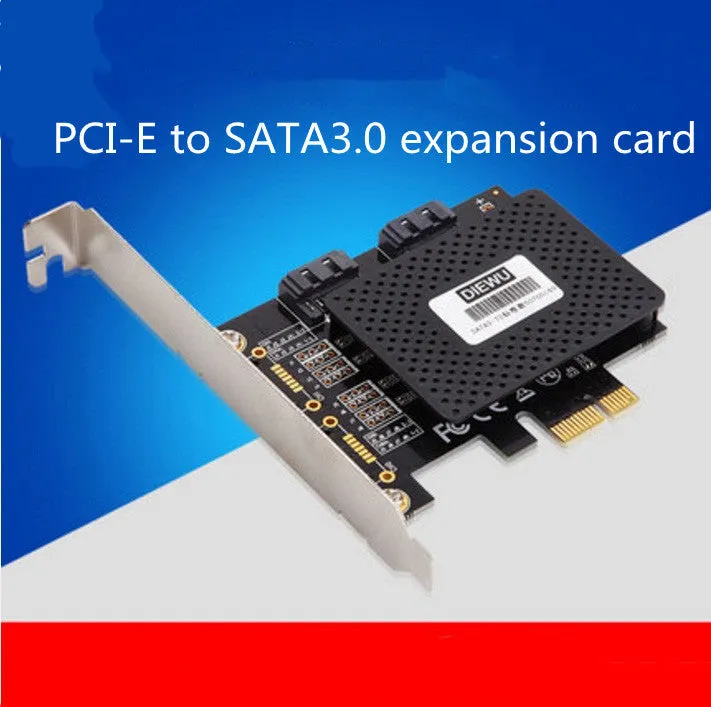
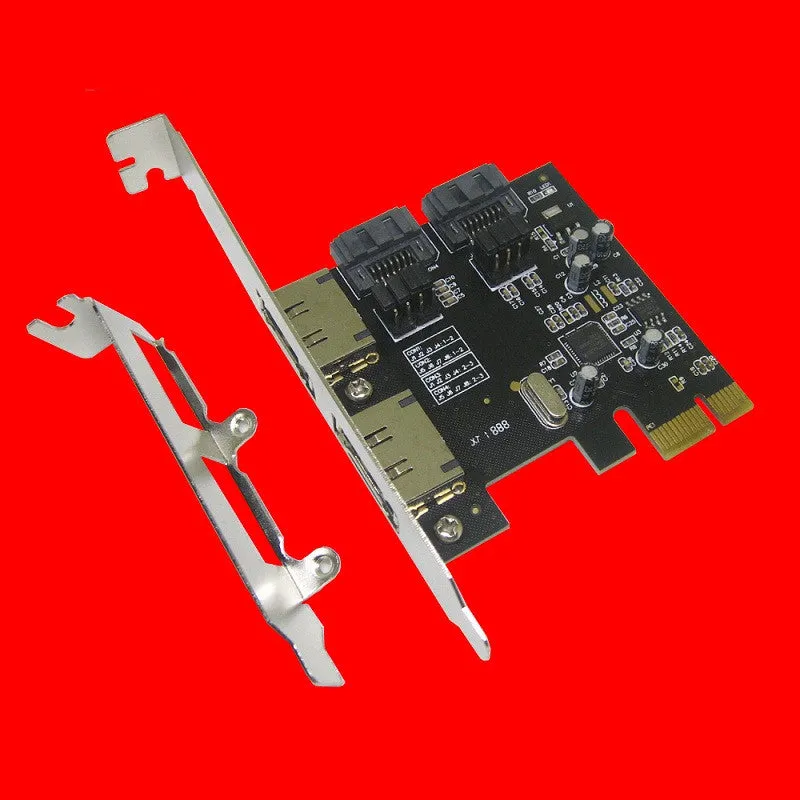
Desktop PCI-E SATA3.0 expansion card compatible with Apple Mac systems featuring dual SATA3.0 ports and dual eSATA ports using the ASM1061 chip for SSD hard drive and optical drive boot support on Windows 7 and Apple operating systems without drivers

Desktop PCI-E SATA3.0 expansion card compatible with Apple Mac systems featuring dual SATA3.0 ports and dual eSATA ports using the ASM1061 chip for SSD hard drive and optical drive boot support on Windows 7 and Apple operating systems without drivers
Desktop PCI-E SATA3.0 expansion card with ASM1061 chip for SSD and optical drive boot support
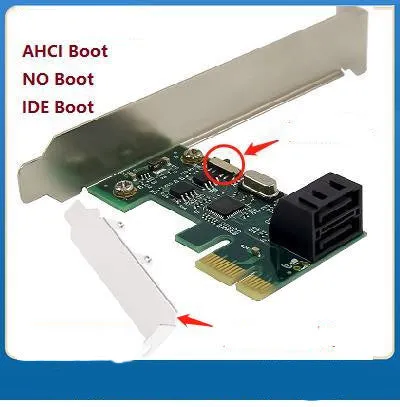
This PCI-E SATA3.0 expansion card provides a practical solution for desktop computer users who need additional storage connectivity beyond what their motherboard offers. Featuring the ASM1061 chip, the card delivers two high-speed SATA3.0 interfaces alongside two eSATA ports for external storage expansion. The design supports booting from connected storage devices, including both traditional hard drives and modern SSDs, as well as optical drives for legacy compatibility. What makes this expansion card particularly convenient is its driver-free operation on both Windows 7 and Apple operating systems, simplifying installation and setup processes. Different physical models are available to suit various computer chassis dimensions and motherboard configurations.
Features and Construction
The expansion card's functionality centres around the ASM1061 controller chip, which manages the SATA3.0 interface protocol and data transfer between the PCI-E bus and connected storage devices. This configuration allows for adding storage capacity without replacing the motherboard, making it a cost-effective upgrade path for older systems or computers with limited native SATA ports. The card's design includes practical switching between port types via jumper settings, giving users control over which interfaces are active at any given time.
Material and Build
The card is constructed using standard printed circuit board materials with surface-mounted electronic components arranged for optimal signal integrity. The PCI-E interface connector provides the physical and electrical connection to the motherboard, while the SATA3.0 and eSATA port connectors are mounted to the rear bracket for external accessibility. The jumper pins for configuration switching are positioned conveniently for adjustment during installation. The build follows conventional expansion card design principles with attention to component placement for reliable operation within desktop computer environments.
Size and Practical Fit
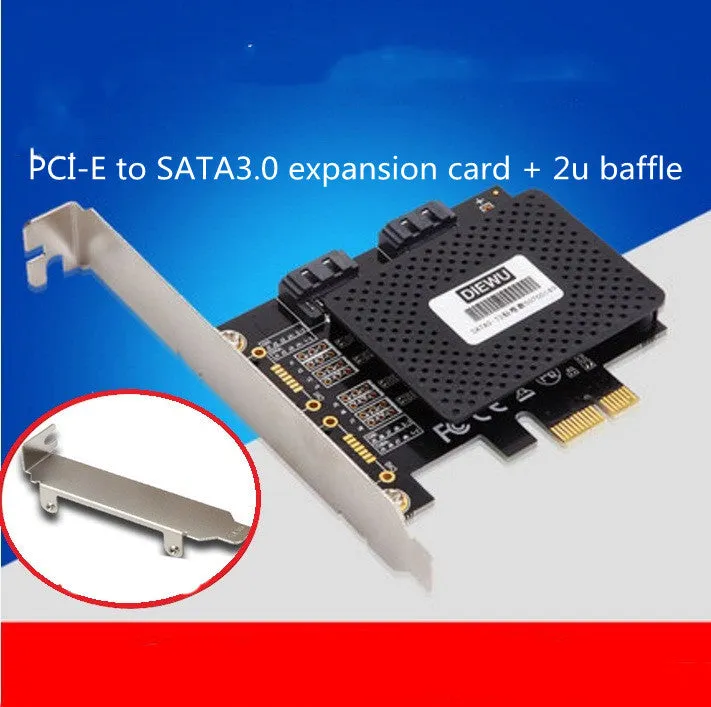
Physical dimensions vary between different model versions of this expansion card, allowing for compatibility with various computer case sizes and motherboard layouts. This variation ensures that users can select a model that fits their specific chassis constraints while still providing the full SATA3.0 expansion functionality. The card's bracket design accommodates both SATA3.0 internal connectors and eSATA external ports, maximising connectivity options within the available space. When installing, users should verify clearance around adjacent expansion slots and consider cable routing for optimal airflow and organisation.
Uses and Placement
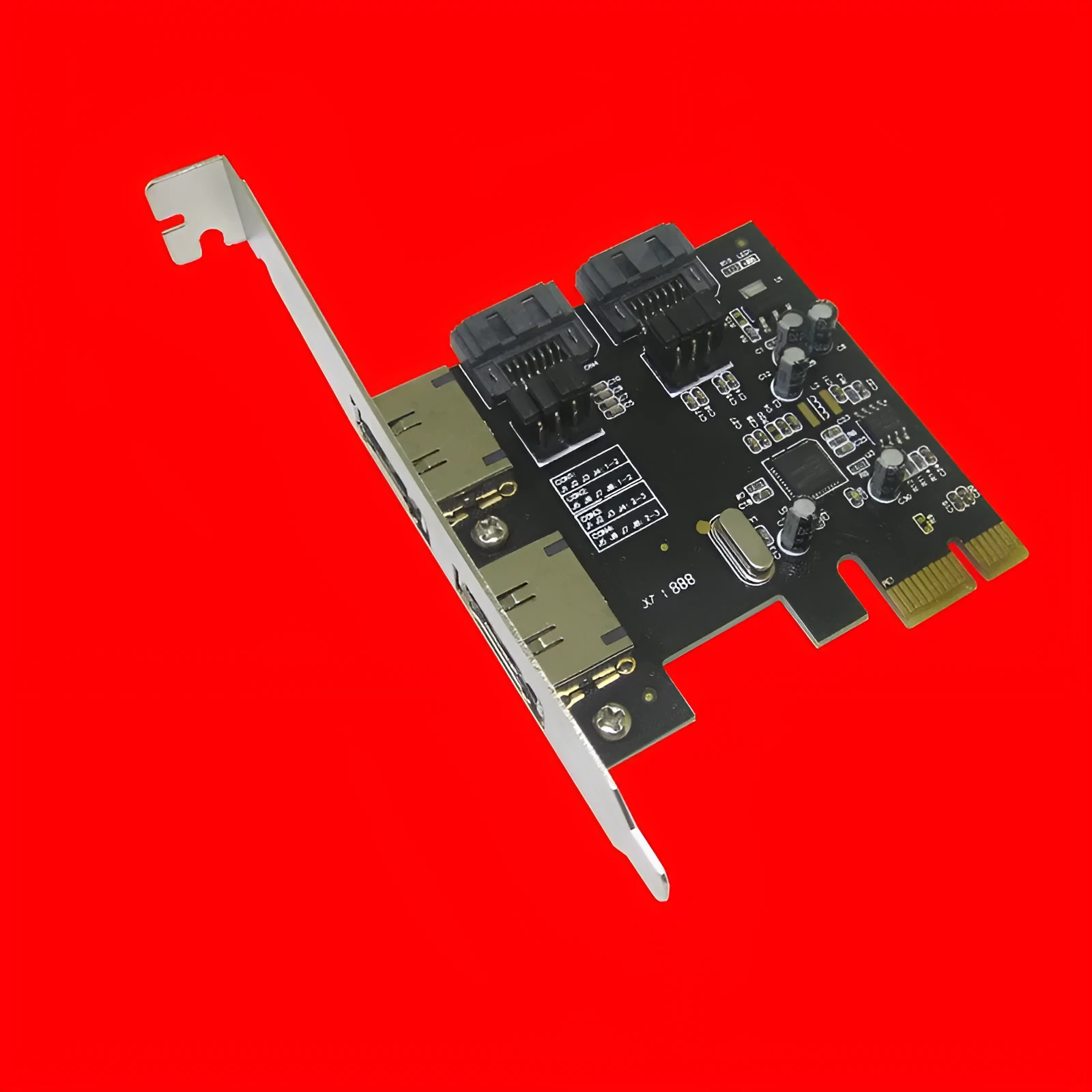
This expansion card serves multiple practical purposes in both professional and home computing environments. For systems that originally shipped with limited SATA connectivity, it provides an upgrade path to accommodate additional storage drives without requiring a complete system replacement. The dual interface approach—combining internal SATA3.0 and external eSATA—offers flexibility for different storage configurations and usage scenarios, from internal drive arrays to external backup solutions.
Event or Professional Use
In professional settings, this expansion card enables workstations to support multiple high-speed storage devices simultaneously. Video editors, graphic designers, and data analysts can benefit from the additional SATA3.0 ports for connecting fast SSDs as scratch disks or project storage. The eSATA ports provide convenient external connectivity for portable drives used in field work or client presentations. The driver-free operation on both Windows and Apple systems reduces setup time and compatibility concerns in mixed-platform environments, while boot support from connected drives allows for specialised operating system configurations or recovery scenarios.
Everyday Home Use
For home users, the expansion card offers a straightforward way to add storage capacity to desktop computers. The additional SATA3.0 ports can accommodate extra hard drives for media libraries, game installations, or system backups. The eSATA functionality provides fast external connectivity for portable storage devices, offering better performance than standard USB connections for large file transfers. The compatibility with both Windows 7 and Apple systems makes this card suitable for household computers regardless of operating system preference, while the support for optical drives maintains functionality with legacy media and drives.
Benefits and Buying Value
The primary value of this PCI-E SATA3.0 expansion card lies in its ability to extend the storage capabilities of existing desktop computers without requiring a full system upgrade. By leveraging an available PCI-E slot, users can add modern SATA3.0 connectivity to systems that may only have older SATA2 or limited SATA3 ports. This approach represents a cost-effective middle ground between living with storage limitations and investing in an entirely new computer system.
Reuse and Low Maintenance
The expansion card supports reuse of existing storage devices and systems by adding necessary connectivity where it's missing. Older desktop computers with functioning motherboards but limited SATA ports can gain new utility with this upgrade, extending their usable lifespan. Maintenance requirements are minimal once installed, with no special drivers needed for continued operation on supported operating systems. The jumper-based configuration switching provides a simple, hardware-level control mechanism that doesn't rely on software utilities that might become incompatible with future system updates.
Why Choose This Product
This PCI-E SATA3.0 expansion card offers specific advantages for users needing additional storage connectivity. The ASM1061 chip provides reliable SATA3.0 interface performance without complex driver installations, working seamlessly with both Windows 7 and Apple operating systems. The dual SATA3.0 and dual eSATA port configuration, switchable via jumpers, provides flexible connectivity options for both internal and external storage solutions. Support for booting from connected drives and optical devices adds functional versatility beyond simple storage expansion. Different size models ensure compatibility with various computer chassis, making this a practical choice for upgrading diverse desktop systems.