
Infrared thermal imager professional temperature measurement device with -10℃ to 400℃ range, ±2% accuracy, 320x240 pixel TFT screen, IP65 rating and 2 metre drop resistance for industrial and building diagnostics.


Infrared thermal imager professional temperature measurement device with -10℃ to 400℃ range, ±2% accuracy, 320x240 pixel TFT screen, IP65 rating and 2 metre drop resistance for industrial and building diagnostics.
UTi Series Infrared Thermal Imager for Industrial Diagnostics with -10℃ to 400℃ Measurement Range
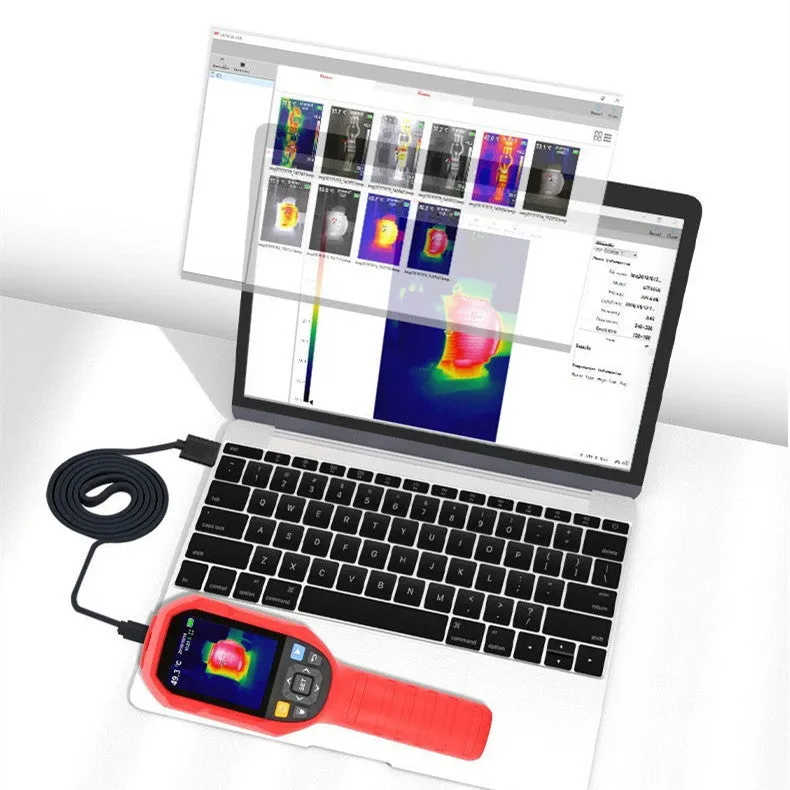
The UTi series infrared thermal imagers are designed for professionals requiring accurate, non-contact temperature measurement across a wide spectrum of applications. From electrical panel inspections and mechanical bearing checks to building thermography and energy audits, this device translates thermal radiation into visual data. Its core capability lies in detecting temperature differences and anomalies without physical contact, making it suitable for identifying overheating components, insulation gaps, or system inefficiencies. The inclusion of PC analysis software allows for detailed review and reporting of captured thermal images, supporting maintenance schedules and fault diagnosis.
Technical Specifications and Performance

The imager’s specifications define its operational scope and suitability for various professional environments. Key performance metrics are grounded in measurable data, providing clear parameters for expected use.
Temperature Measurement Ranges
The primary industrial measurement range spans from -10℃ to 400℃, covering common scenarios from sub-ambient machinery to high-temperature processes. A separate, higher-accuracy mode is specified for body temperature measurement, operating between 30℃ and 45℃ with an accuracy of +0.5℃. The general measurement accuracy across the main range is ±2%, which dictates the level of precision for diagnostic readings. The device incorporates fast high-temperature tracking to respond to sudden thermal changes, supported by a 9Hz frame rate for updating the thermal image display.
Display and Imaging Resolution
A 2.8-inch TFT screen serves as the viewfinder and display, presenting thermal imagery with a resolution of 320 x 240 pixels. The underlying infrared sensor provides a thermal resolution of 160x120 pixels, determining the level of detail in the temperature gradient image. This combination allows users to discern temperature variations across a surface, with hotter and cooler areas displayed in contrasting colours according to the selected palette.
Physical Build and Durability
The device’s physical dimensions are 236mm in length, 75.5mm in width, and 86mm in depth, forming a handheld form factor. Its construction meets the IP65 ingress protection rating, indicating protection against dust ingress and low-pressure water jets from any direction. It has also been tested to withstand accidental drops from a height of up to 2 metres, a practical consideration for use on active work sites. A standard 1/4-inch tripod mounting thread is located on the housing for stable mounting.
Operation and Data Management
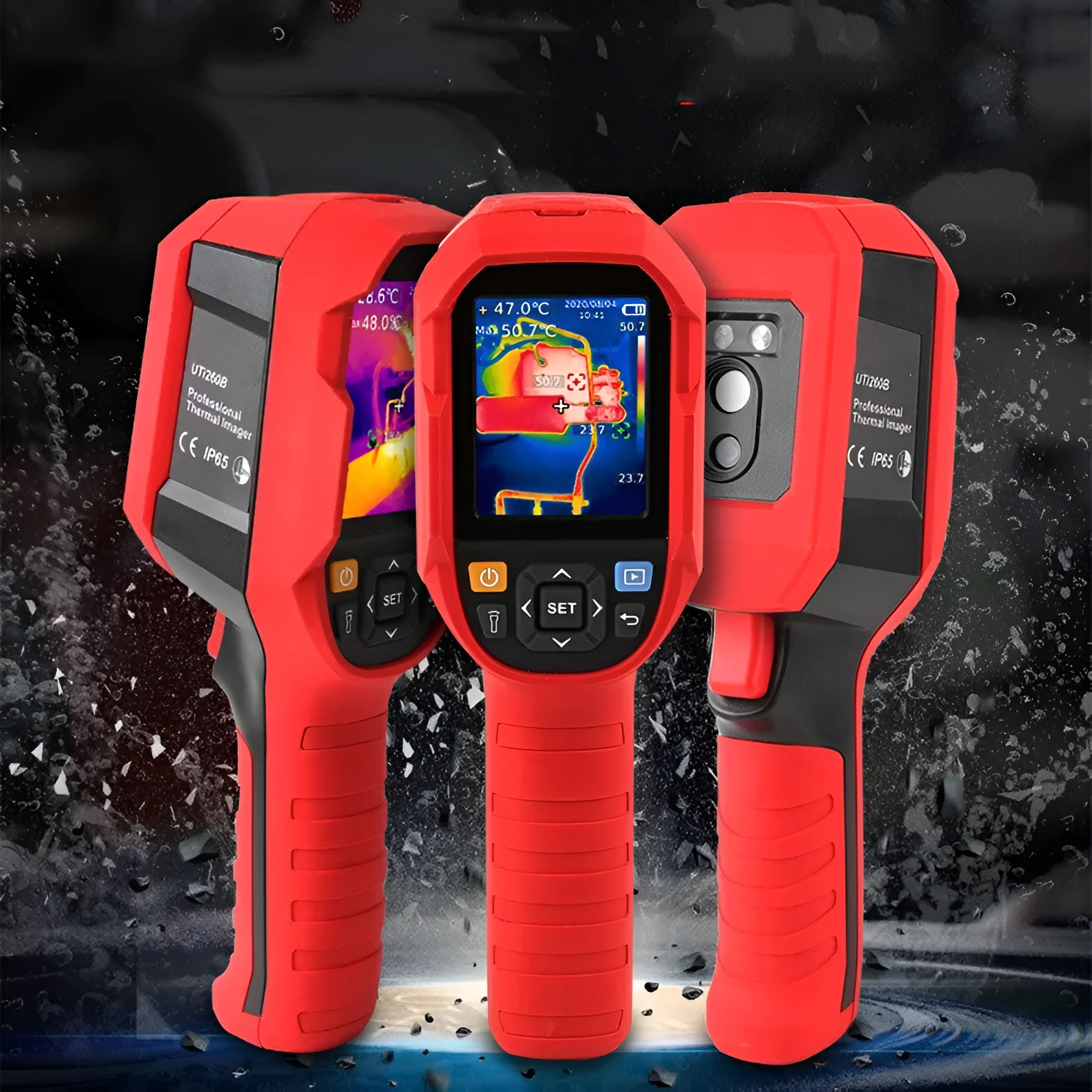
Operating the thermal imager involves capturing, storing, and analysing thermal data to inform decisions. The design integrates several features to streamline this workflow in field and office settings.
Image Capture and Storage
The device can capture still thermal images directly during use. These images are saved onto the included 8GB mini TF (TransFlash) card, providing ample storage for numerous inspection records. The ability to store images on removable media facilitates easy transfer to a computer for further analysis, reporting, or archiving, separating data collection from data review.
Connectivity and Power
A USB interface serves a dual purpose: connecting the imager to a computer for data transfer and charging the internal lithium battery. This standardised connection reduces the need for proprietary cables or chargers on site. The rechargeable lithium battery powers the unit, eliminating the ongoing cost and inconvenience of disposable batteries for regular users.
Software Analysis and Reporting
Included PC analysis software allows for detailed examination of saved thermal images. Users can adjust colour palettes, set temperature measurement points and areas, and generate temperature profiles across lines of interest. This software transforms raw thermal snapshots into actionable diagnostic reports, adding value to the initial field inspection by enabling deeper analysis and documentation.
Application Scenarios and Suitability
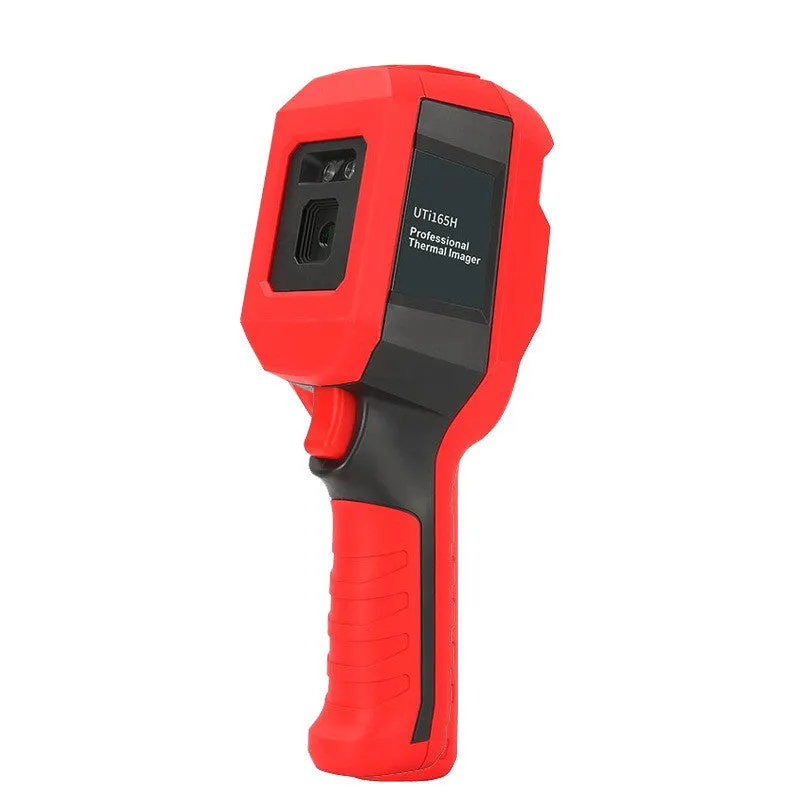
The thermal imager’s specifications make it applicable across several professional and technical fields where temperature is a key performance or safety indicator.
Electrical and Mechanical Maintenance
In electrical maintenance, the device can scan switchboards, connections, and components for abnormal heating that indicates overload, poor contact, or impending failure. For mechanical systems, it can identify overheating bearings, misaligned couplings, or blocked heat exchangers without halting operations. The wide temperature range accommodates both low-temperature refrigeration systems and high-temperature engine components.
Building Science and Energy Auditing
Building professionals use thermal imagers to detect heat loss through walls, roofs, and windows, identify missing or damp insulation, and locate thermal bridging. The ability to visualise temperature differences helps prioritise energy retrofit measures. The device can also find moisture intrusion or plumbing leaks behind surfaces by detecting temperature anomalies.
Preventive and Predictive Maintenance
The imager supports a preventive maintenance strategy by enabling regular thermal scans of critical assets. Establishing baseline thermal profiles and tracking changes over time can help predict failures before they occur, reducing unplanned downtime. The portability and drop resistance support its use as part of a routine inspection toolkit in industrial plants, data centres, or commercial facilities.
