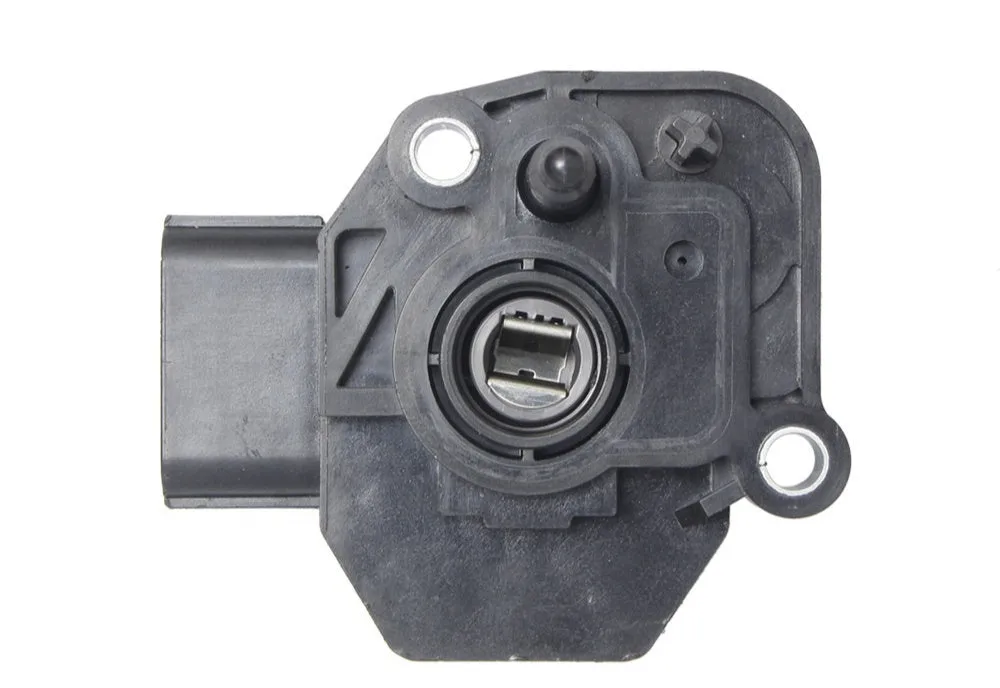
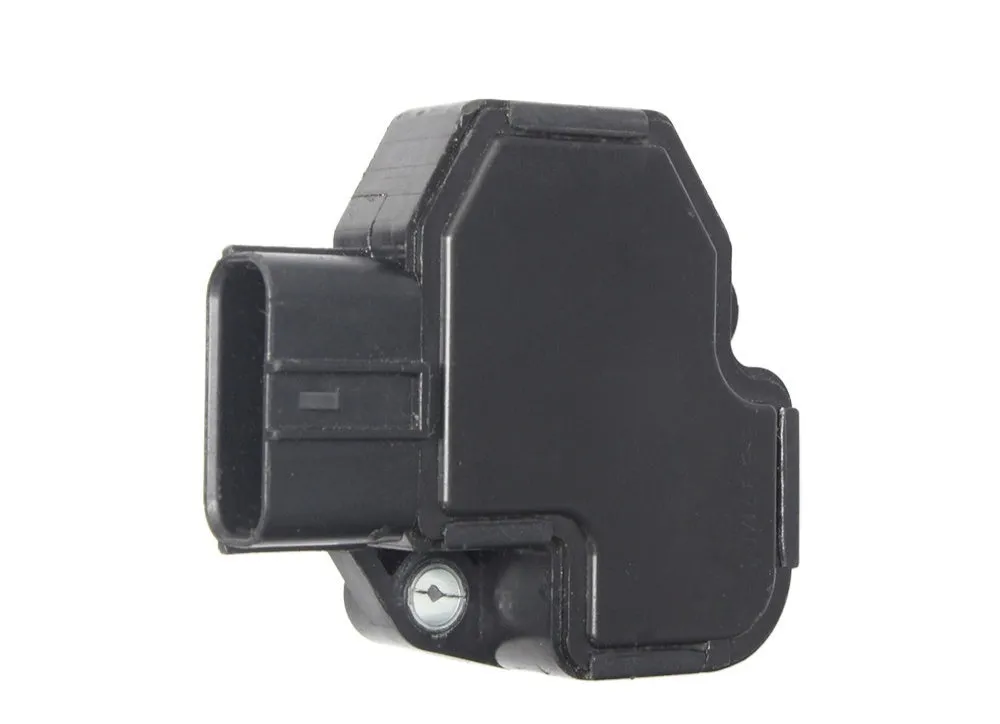
Motorcycle EFI Throttle Valve Sensor replacement part designed for RS150 and RS150R models, RS150-TPS specification throttle body sensor for electronic fuel injection systems.


Motorcycle EFI Throttle Valve Sensor replacement part designed for RS150 and RS150R models, RS150-TPS specification throttle body sensor for electronic fuel injection systems.
Motorcycle EFI Throttle Valve Sensor: RS150-TPS Specification for RS150 & RS150R Models
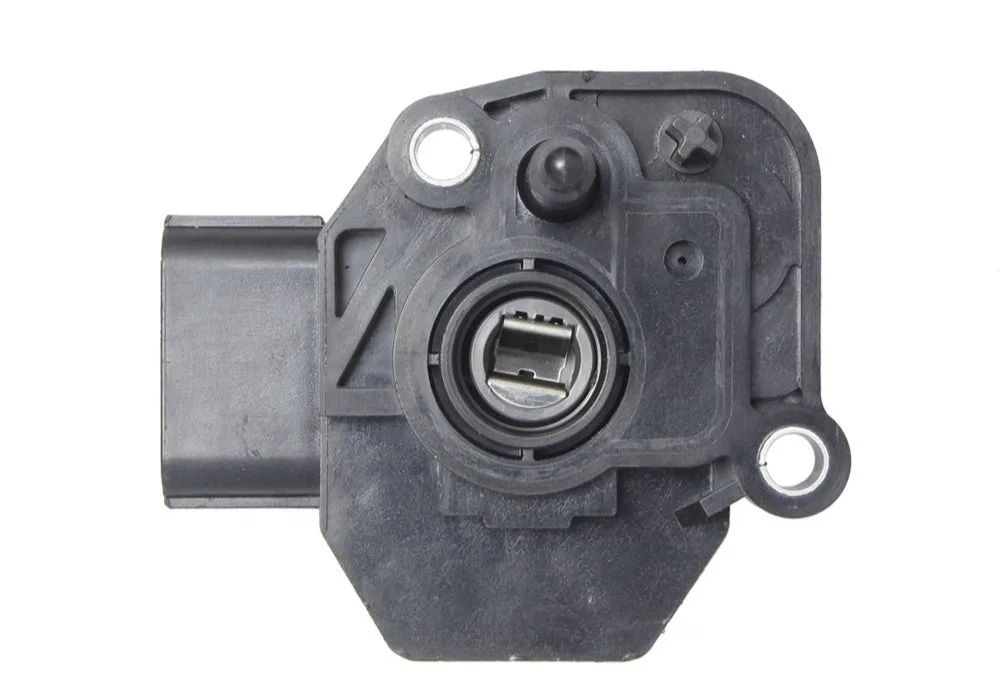
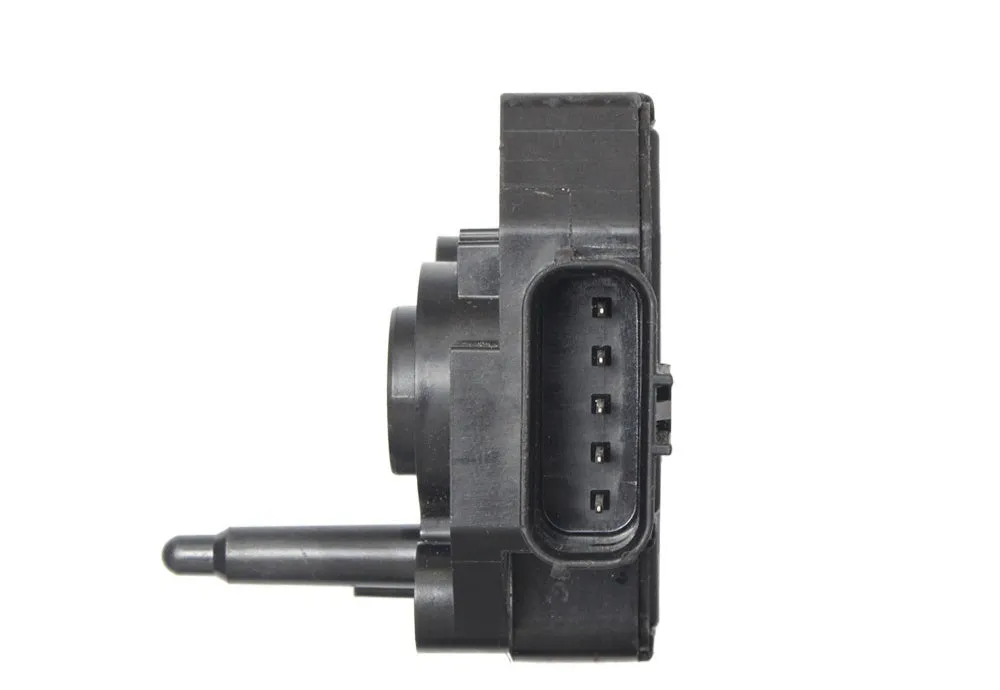
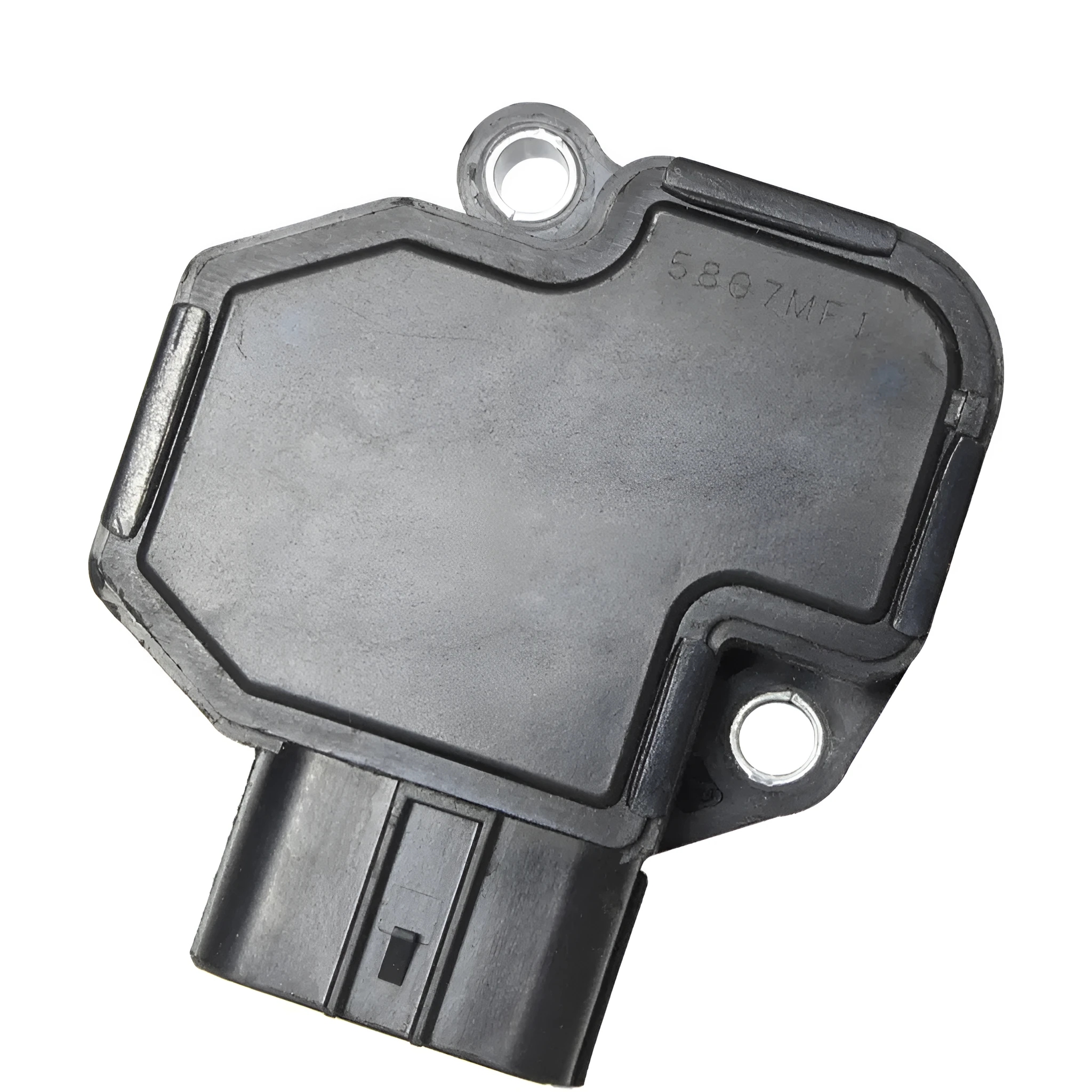
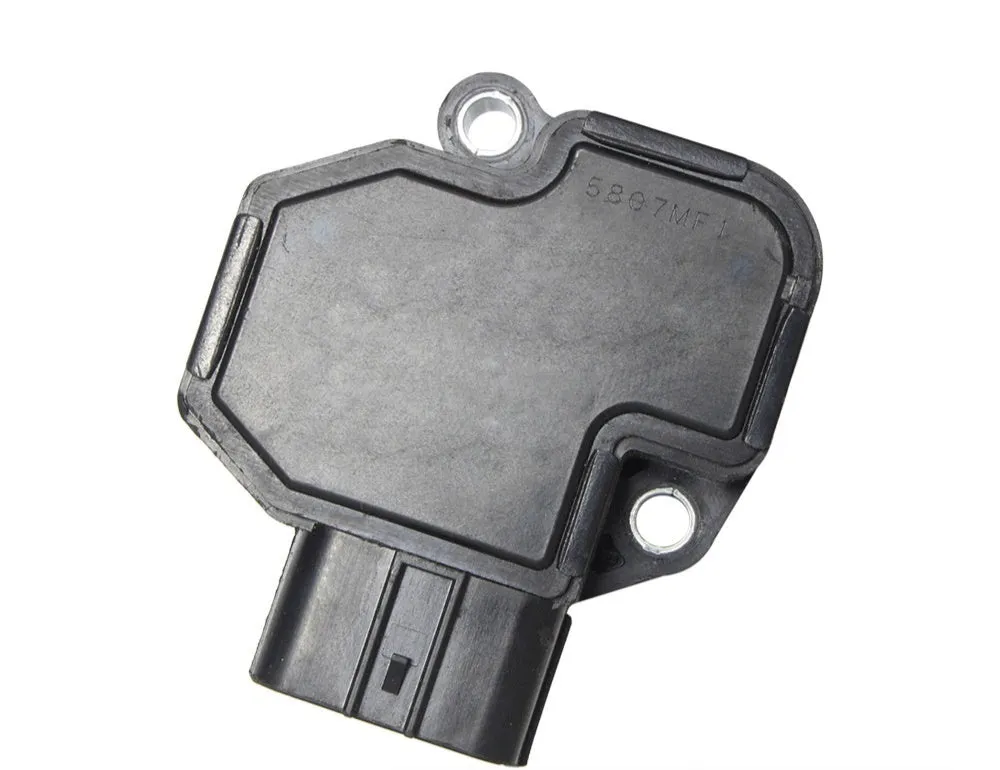
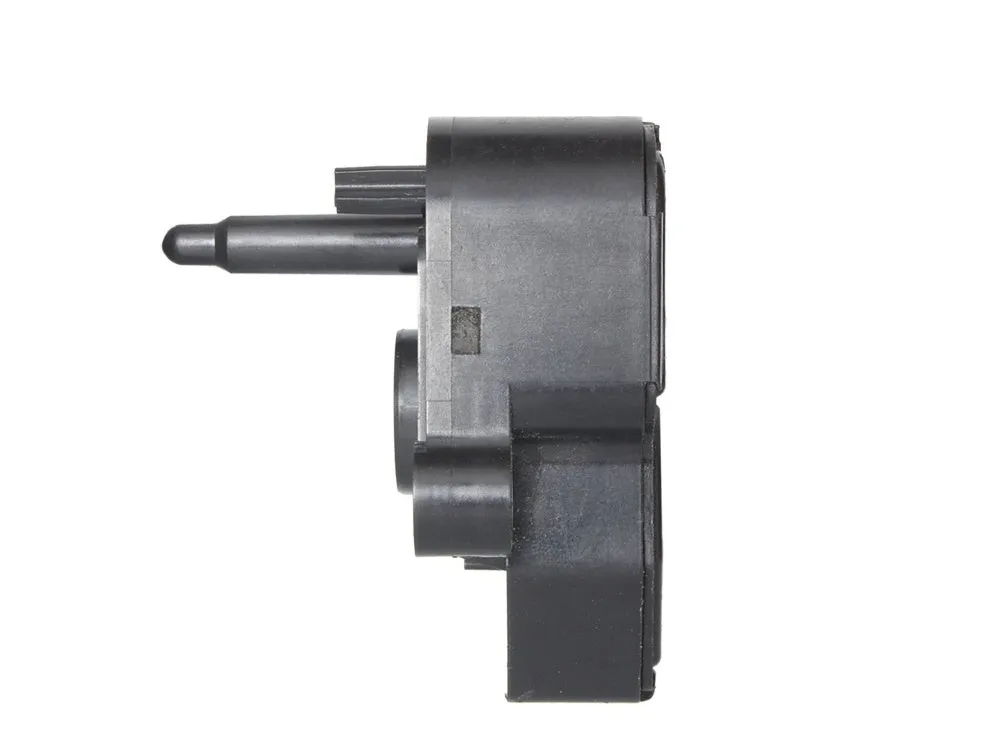
This is a replacement throttle valve sensor, also known as a throttle position sensor (TPS), for motorcycles equipped with electronic fuel injection (EFI). It is manufactured to the RS150-TPS specification, ensuring it matches the original component's electrical and mechanical characteristics for compatible models. Its primary function is to monitor the position of the throttle valve within the throttle body and send a corresponding voltage signal to the engine control unit (ECU). This data is critical for the ECU to calculate the correct fuel injection and ignition timing, directly influencing engine performance, responsiveness, and fuel efficiency. The part is listed as applicable for RS150 and RS150R motorcycle models.
Features and Construction
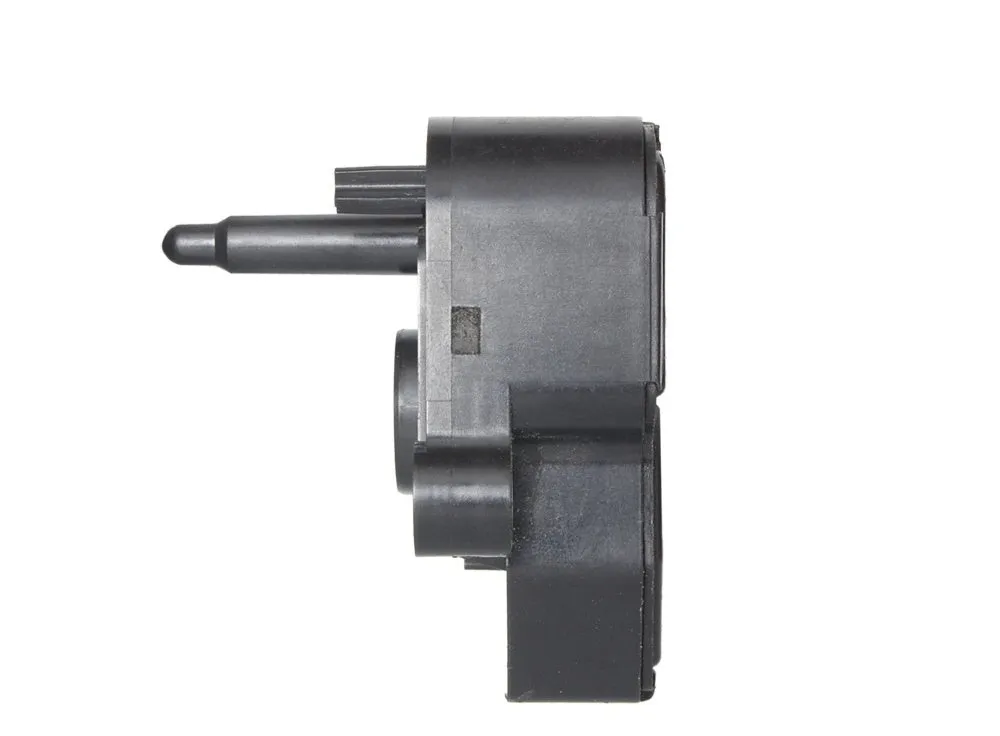
This sensor is designed as a direct replacement part, focusing on functional compatibility rather than aesthetic modification. Its construction adheres to the RS150-TPS specification to interface correctly with the motorcycle's existing wiring harness and throttle body assembly.
Material and Build
The sensor comprises internal electronic components, including a potentiometer or hall-effect sensor, housed within a protective casing. The casing material is not specified but is designed to withstand typical engine bay temperatures and vibrations. The connector is built to match the original vehicle's plug, facilitating a straightforward installation process without wiring modification.
Size and Practical Fit
The physical dimensions and mounting points are engineered to match the original RS150-TPS sensor, allowing for a direct bolt-on replacement. Precise fitment is essential for accurate throttle position reading and to avoid interference with adjacent components. As specific measurements are not provided, users should compare the supplied unit visually and dimensionally with their original failed part to confirm fit.
Uses and Placement
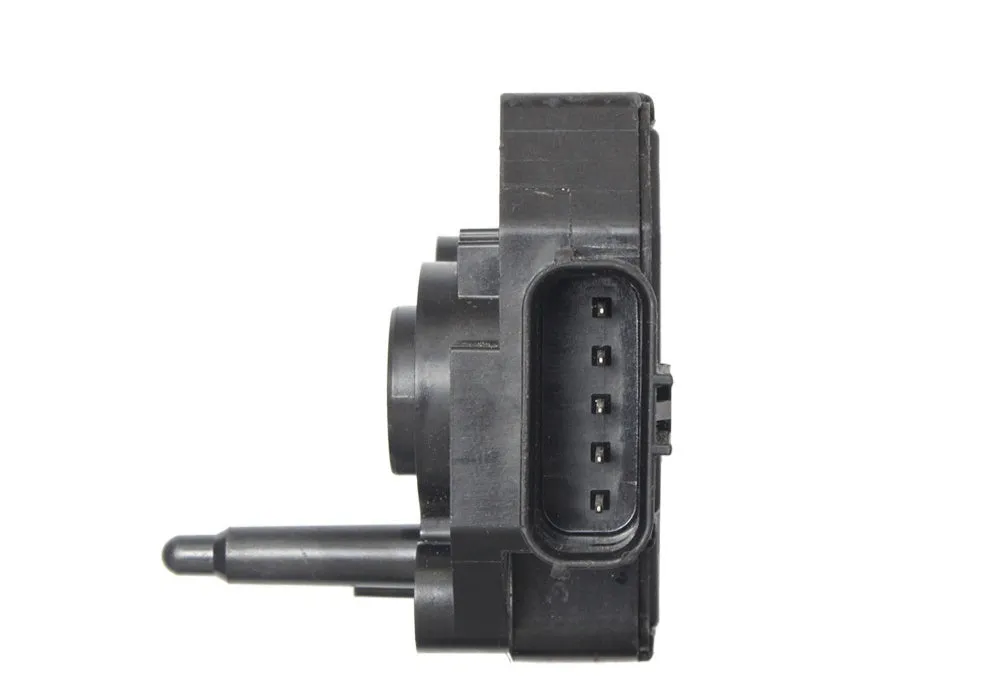
This component serves a specific, technical role within the motorcycle's fuel and engine management system. It is not a cosmetic accessory but a functional repair part for maintaining or restoring original performance.
Event or Professional Use
For professional mechanics or experienced DIY enthusiasts, this sensor enables the repair of throttle-related running issues such as poor idling, hesitation on acceleration, or incorrect fuel mixture warnings. It is a consumable service part that may fail due to wear, heat, or vibration over the motorcycle's lifespan. Correct installation and calibration are crucial for optimal performance.
Everyday Home Use
For the motorcycle owner, replacing a faulty throttle position sensor can resolve drivability problems and restore the bike's smooth operation. A functioning sensor contributes to reliable starting, consistent power delivery, and expected fuel economy. It is a key component in the EFI system that, when working correctly, operates seamlessly in the background.
Benefits and Buying Value
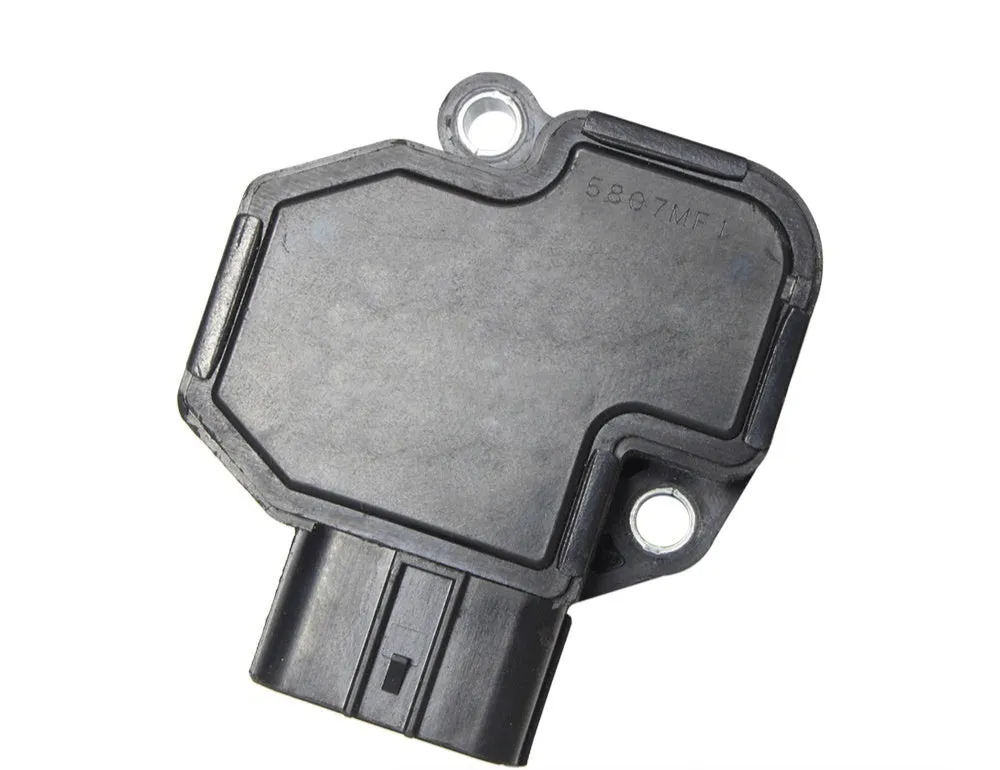
The value of this part lies in its role as a precise, model-specific replacement that supports the motorcycle's original engineering parameters.
Reuse and Low Maintenance
Once installed, the sensor requires no routine maintenance. Its value is realised through the restoration of the vehicle's designed performance and the avoidance of more extensive fuel system issues that can arise from incorrect sensor signals. It is a single component replacement aimed at solving a specific technical fault.
Why Choose This Product
This sensor is selected primarily for its stated RS150-TPS specification and compatibility with RS150/RS150R models. It offers a targeted solution for owners of these specific motorcycles needing to replace a worn or failed OEM part. The benefit is the potential to rectify performance issues with a component built to the original design, avoiding compatibility problems that can occur with universal or incorrectly specified parts.