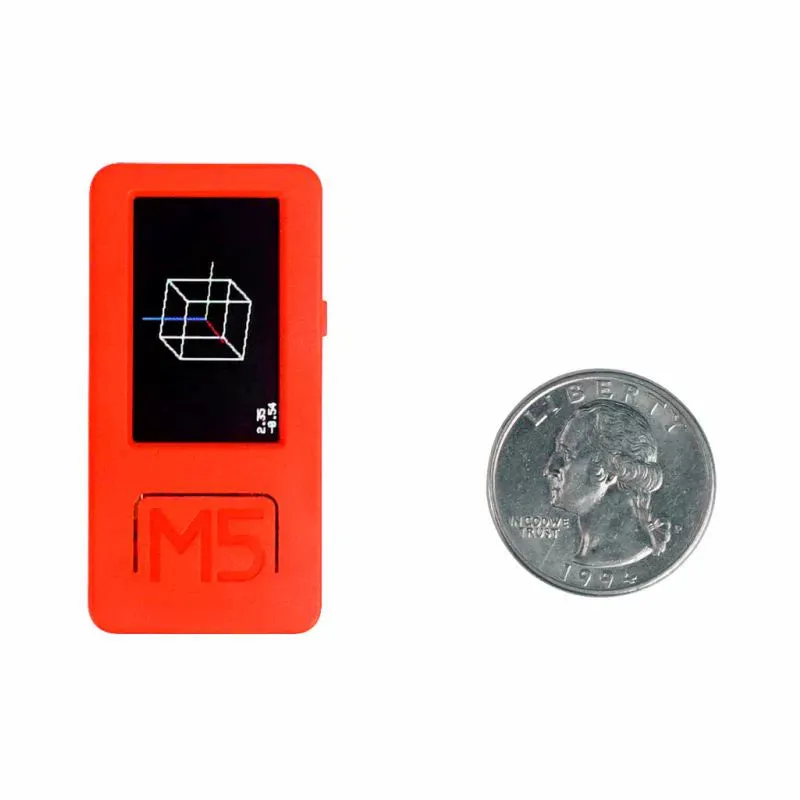
Official IoT development board with 1.14-inch colour TFT LCD screen featuring graphical programming suite and Grove sensor interface for Arduino compatible projects and STEM education, measuring 135x240 pixels with Type-C power input


Official IoT development board with 1.14-inch colour TFT LCD screen featuring graphical programming suite and Grove sensor interface for Arduino compatible projects and STEM education, measuring 135x240 pixels with Type-C power input
Official IoT Development Board with 1.14-Inch Colour TFT LCD Screen and Graphical Programming Suite
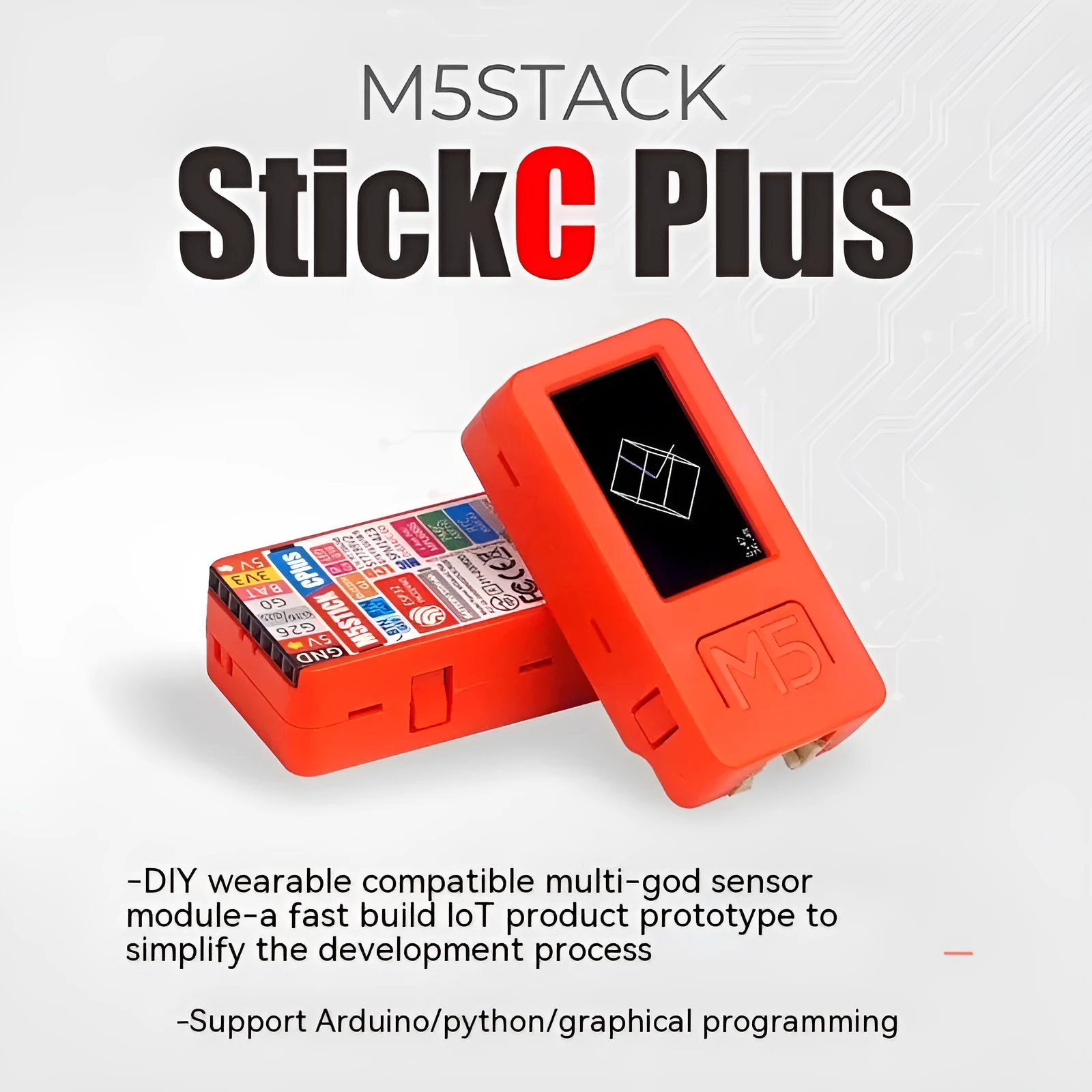
This IoT development board combines hardware accessibility with visual programming capabilities for educational and prototyping environments. Designed around a 1.14-inch colour TFT LCD screen with 135x240 pixel resolution and ST7789v2 driver, it provides immediate visual feedback without requiring separate display components. The board's Grove interface offers I2C, I/O, and UART connectivity in a single connector, streamlining sensor and actuator integration for IoT projects. Powered via a Type-C port accepting 5V@500mA input, it operates from standard USB power sources commonly available in classrooms and workshops. The inclusion of a graphical programming suite lowers the barrier to entry for beginners while maintaining functionality for more experienced makers developing Arduino-compatible applications.
Features and Construction
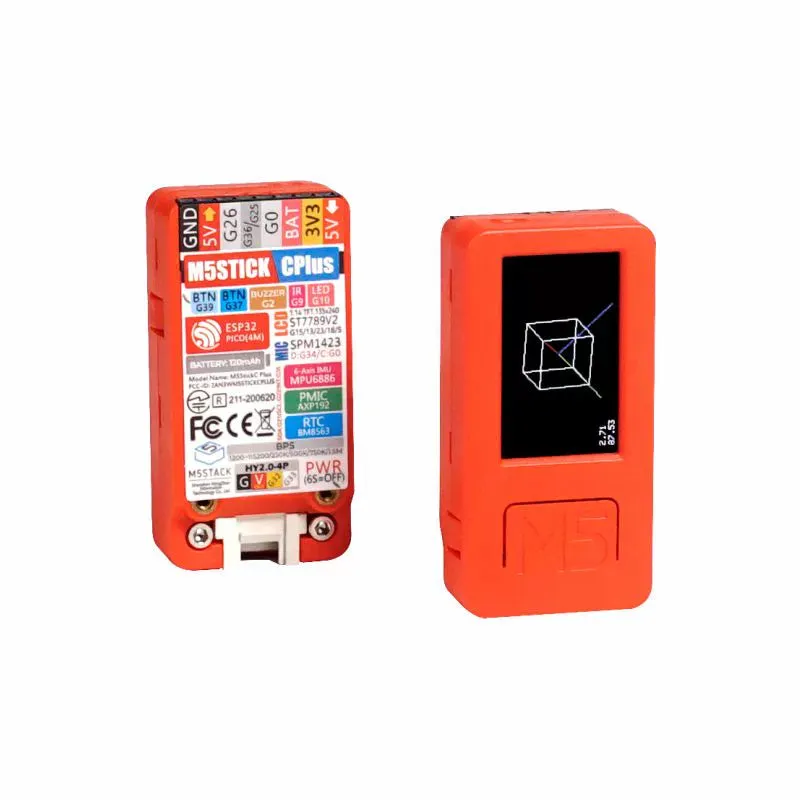
The board incorporates multiple components selected for practical IoT development scenarios, balancing functionality with accessibility for educational settings.
Material and Build
Constructed with a PC (polycarbonate) housing, this development board provides physical protection for the electronic components during handling in workshop or classroom environments. Polycarbonate offers impact resistance and durability against everyday use, maintaining board integrity through multiple project cycles. The material choice supports the board's role as a reusable educational tool, with housing designed to withstand typical maker-space conditions without requiring specialised handling procedures.
Size and Practical Fit
The central visual element is a 1.14-inch colour TFT LCD screen with 135x240 pixel resolution, providing sufficient display area for sensor readings, basic graphics, and programming feedback. While overall board dimensions aren't specified, the display size indicates a compact form factor suitable for portable projects and space-constrained workstations. The Grove connector's standardised interface reduces wiring complexity, allowing multiple sensors to share the same physical connection point without separate breakout boards or complex wiring arrangements.
Uses and Placement
This development board serves both educational institutions and individual makers through its balanced feature set and visual programming approach.
Event or Professional Use
In workshop and professional development environments, the board supports rapid prototyping with its integrated display eliminating the need for external monitors. The SPM1423 microphone enables audio input projects like sound-activated triggers or volume monitoring, while the BM8563 real-time clock allows time-stamped data logging applications. The two customisable buttons and red LED provide immediate interactive elements without additional components, speeding up prototype development for IoT demonstrations and proof-of-concept builds.
Everyday Home Use
For home makers and STEM learners, the graphical programming suite simplifies initial coding experiences with visual block-based interfaces. The Type-C power input works with common phone chargers and power banks, eliminating specialised power supplies. Grove-compatible sensors available from multiple manufacturers expand project possibilities from environmental monitoring to physical computing applications, with the colour display showing real-time data visualisations that make learning outcomes immediately visible and engaging.
Benefits and Buying Value

This development board addresses specific needs in the educational technology and maker hardware markets through practical design choices.
Reuse and Low Maintenance
The board's construction supports repeated use across multiple projects and learning cycles. PC material housing withstands typical classroom handling, while the AXP192 power management unit provides stable operation from various 5V sources. Standard interfaces (Type-C, Grove) ensure compatibility with readily available cables and modules, reducing the need for proprietary accessories. The graphical programming software typically allows project saving and reloading, enabling students to return to incomplete work or teachers to prepare lessons in advance.
Why Choose This Product
Selection centres on the combination of visual programming accessibility with hardware that includes both input/output capabilities and display functionality. Unlike development boards requiring separate displays, this integrated approach reduces component count and wiring complexity for beginners. The Grove interface standardisation lowers the barrier to sensor integration compared to individual pin connections. For educational procurement, the complete package (board with programming suite) simplifies sourcing compared to separate hardware and software acquisitions, while the 5V power requirement aligns with school safety standards for electronic devices.