
BMW 20-Pin to 16-Pin OBD2 Diagnostic Cable Adapter for Direct ECU Connection and Vehicle Diagnostics
BMW Line 20 Pin
£16.98
Skip to product information

 This BMW 20-pin to 16-pin OBD2 adapter cable is engineered to solve a specific compatibility issue for owners and technicians working on classic BMW vehicles from the late 1990s and early 2000s. Models like the E46, E39, and E38 utilised a proprietary 20-pin diagnostic port under the bonnet, while most aftermarket scan tools and code readers use the universal 16-pin OBD2 connector found inside the cabin. This passive adapter provides a direct electrical bridge, allowing you to read fault codes, monitor live sensor data, and perform basic diagnostics without needing expensive, brand-specific hardware. It’s a straightforward solution for DIY maintenance, pre-purchase inspections, or resetting service interval indicators.
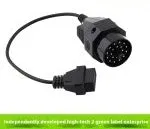 This section details the specific construction and technical specifications that enable reliable communication between your diagnostic tool and your BMW's electronic control units. The adapter is a passive device, meaning it doesn't contain active electronics but relies on precise pin mapping and durable materials to ensure a stable connection.
 This adapter unlocks the diagnostic capabilities of standard tools for a range of specific scenarios involving older BMWs. Whether you're a professional mechanic, an enthusiastic DIYer, or a prospective buyer, it turns a generic tool into a usable asset for these vehicles.
 Investing in this simple adapter translates into measurable savings, increased knowledge, and greater control over your vehicle's maintenance. It turns a potential obstacle into a manageable task.





BMW 20-Pin to 16-Pin OBD2 Diagnostic Cable Adapter for Direct ECU Connection and Vehicle Diagnostics
BMW 20-Pin to 16-Pin OBD2 Diagnostic Cable Adapter for Direct ECU Connection and Vehicle Diagnostics
£16.98
BMW 20-Pin to 16-Pin OBD2 Adapter Cable for Direct Vehicle Diagnostics and ECU Access
Features and Build Quality of the Diagnostic Adapter
Connector Design and Compatibility
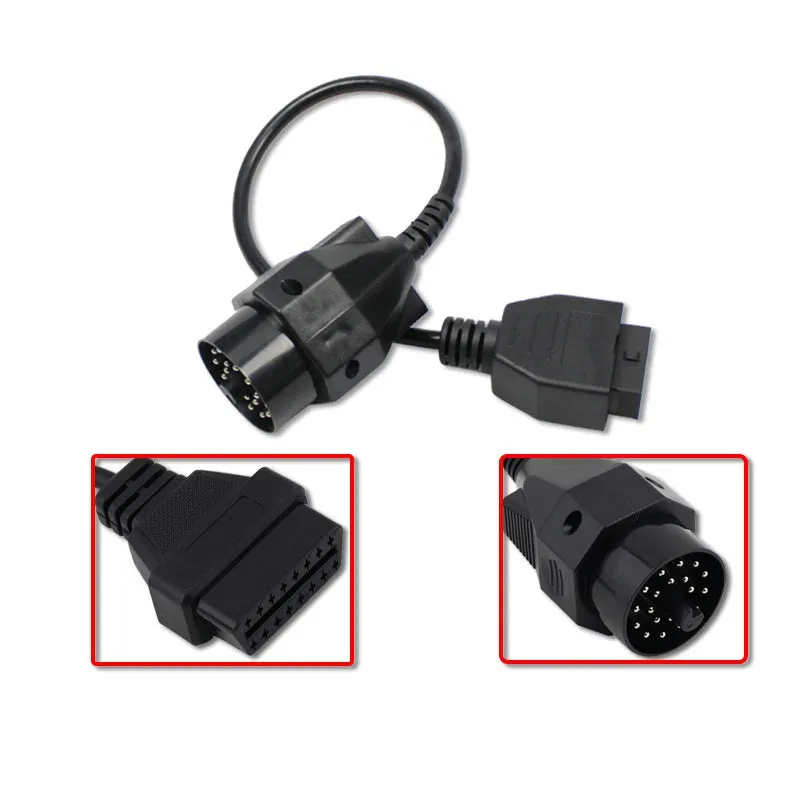
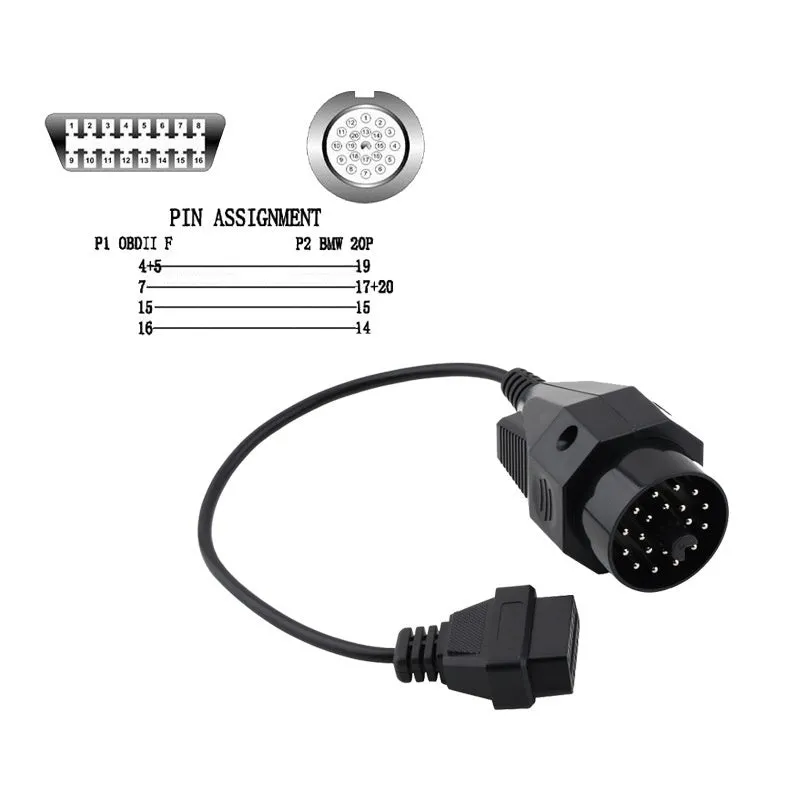
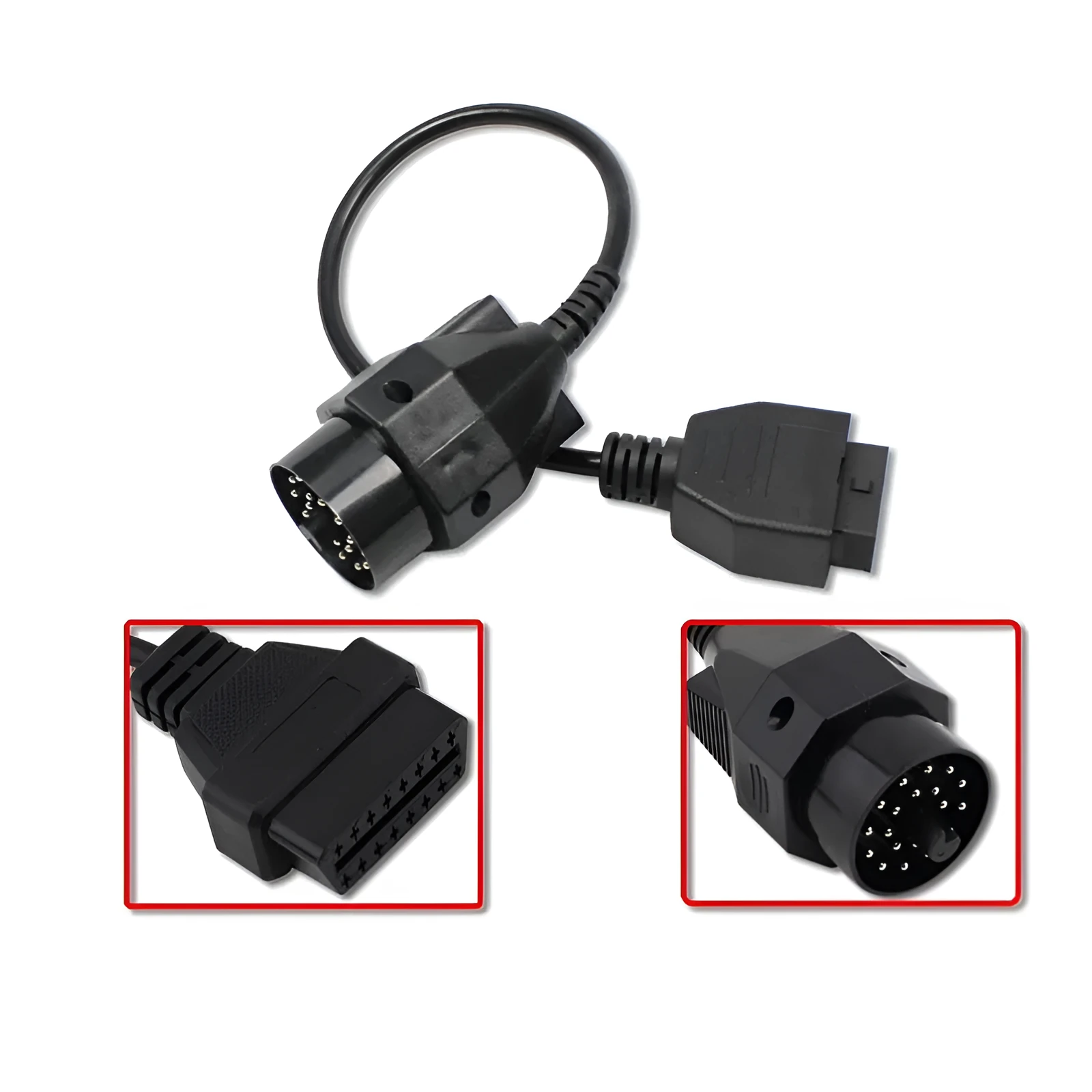
The key component is the moulded 20-pin connector, designed to physically and electrically match the OEM diagnostic port found in the engine bay of applicable BMW models. It features the correct latch mechanism for a secure fit, preventing disconnection from engine vibration. The opposing end is a standard 16-pin female OBD2 connector that complies with the SAE J1962 form factor, ensuring it mates correctly with the vast majority of aftermarket code readers, Bluetooth adapters, and basic scan tools available on the market.Electrical Specifications and Performance
The adapter is rated for the standard 12-volt electrical system used in passenger vehicles. The internal wiring provides a direct pin-to-pin translation based on published BMW diagnostic port schematics, ensuring that diagnostic request and data lines (such as K-Line or L-Line for older models) are correctly routed to the corresponding pins on the 16-pin side. This allows for successful communication protocols. The cable and connectors are specified to operate reliably in ambient temperatures up to 45°C, covering typical workshop and roadside conditions.Durability and Construction Details
The connector housings are made from a robust, high-temperature plastic that resists cracking and deformation. The brass terminals are precisely formed and plated to maintain good electrical contact over repeated mating cycles. The approximately 30 cm long cable is sheathed in a flexible PVC jacket, providing enough length to position your diagnostic tool conveniently while offering strain relief at the connector mouldings to protect the internal wire joints from damage caused by pulling or bending.Practical Applications for the BMW Adapter
Professional and DIY Workshop Use
For independent garages or skilled home mechanics, this adapter eliminates the barrier to servicing a popular range of classic BMWs. It allows the use of existing, familiar diagnostic equipment to quickly pull fault codes related to engine management (DME), ABS, airbag (SRS), or body control modules. This can significantly speed up initial diagnostics for common issues like misfire detection, oxygen sensor faults, or emission-related trouble codes, providing a cost-effective alternative to manufacturer-specific systems for basic code reading and clearing functions.Everyday Ownership and Maintenance
For the BMW owner, the adapter provides a direct link to the car's electronic heart. The simple act of plugging in a basic OBD2 scanner and seeing live engine data—like coolant temperature or RPM—can be invaluable for troubleshooting intermittent problems. The solid click of the 20-pin connector latching into place gives tangible reassurance of a proper connection, while the straightforward cable allows you to use popular smartphone apps with a compatible Bluetooth dongle to turn your phone into a real-time dashboard for your classic BMW.Versatility for Enthusiasts and Resellers
Beyond basic diagnostics, this adapter is also the first step for enthusiasts interested in more advanced interactions with their vehicle's ECU. It is often the required interface for connecting dedicated BMW coding software (like INPA or NCS Expert) via a compatible K+DCAN or D-CAN interface, allowing for coding changes, module programming, and adaptations. For used car dealers or private sellers, having the ability to quickly verify and clear fault codes before a sale provides a clear advantage and demonstrates thorough preparation of the vehicle.Tangible Benefits and Long-Term Value
Cost-Effective Diagnostic Access
The primary value is financial. A single visit to a main dealer or specialist for a fault code read can easily cost more than this adapter and a basic code reader combined. By owning this tool, you pay once for the capability to perform an infinite number of basic diagnostic checks yourself. For owners of older BMWs, which are often out of warranty, this represents a significant long-term saving and empowers you to understand issues before seeking professional repair, potentially avoiding unnecessary work.Confidence Through Direct Access
There is a distinct sense of confidence that comes from directly interrogating your car's computer. Instead of relying on guesswork or generic advice when a warning light appears, you can retrieve the specific fault code. This peace of mind is directly provided by the adapter's reliable pin mapping and secure connection, which delivers accurate data from the ECU to your scanner. Knowing the exact code—for instance, P0301 for a cylinder 1 misfire—allows for targeted investigation and more informed discussions with a mechanic.Make Informed Decisions About Your BMW
Ultimately, this adapter is about removing a technical barrier. It provides a clear, measurable benefit: the ability to use standard, affordable diagnostic tools on a vehicle that was designed to require specialist equipment. Whether you're troubleshooting a check engine light, resetting a service reminder after an oil change, or verifying systems before a long journey, this cable delivers direct access. For anyone committed to maintaining a classic BMW independently, it's an essential, straightforward link in your toolkit that pays for itself the first time you use it.