
EMMC read/write tool for BMW, Mercedes-Benz, Audi and Porsche audio host maintenance, a specialised SD card PCB port out device for localisation data management and firmware tasks.


EMMC read/write tool for BMW, Mercedes-Benz, Audi and Porsche audio host maintenance, a specialised SD card PCB port out device for localisation data management and firmware tasks.
Professional EMMC Read/Write Tool for BMW, Audi, Mercedes-Benz and Porsche Audio Hosts
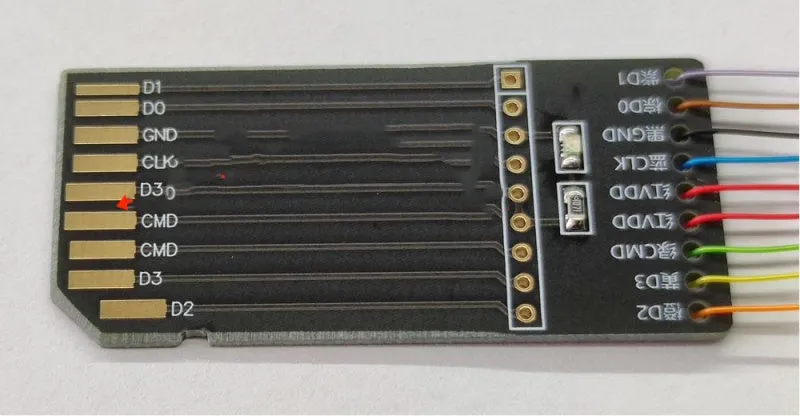
This specialised tool is designed for automotive technicians and electronics specialists working on the audio host systems of specific premium vehicles. It enables direct interaction with the EMMC (embedded MultiMediaCard) storage chips found within these units, which are common in BMW, Mercedes-Benz, Audi, and Porsche models. By providing a targeted interface via the host's existing SD card PCB port, this tool facilitates critical maintenance tasks such as reading firmware, writing new localisation data, or diagnosing software-related faults. This approach can be a more efficient alternative to wholesale unit replacement, saving time and resources in a professional workshop environment where precision and compatibility are paramount.
Features and Construction

This device is engineered for a single, clear purpose: to read from and write to the EMMC chips embedded in vehicle infotainment systems. Its design centres around practical functionality and specific vehicle compatibility.
Material and Build
The tool is built from standard electronic components required for reliable data communication and connection integrity. Its construction focuses on creating a stable interface between a computer or programming device and the target vehicle's audio host printed circuit board (PCB). The build prioritises signal integrity and physical durability for workshop use, employing connectors and circuitry suited to the task of low-level memory access without embellishment.
Size and Practical Fit
The tool's form factor is designed to connect neatly to the SD card port located on the audio host's PCB. This design choice means the tool does not require invasive disassembly or complex soldering for basic access, aligning with common repair bench workflows. Its physical profile is tailored to fit within the spatial constraints of a vehicle's centre console or head unit area during the maintenance process, allowing technicians to work effectively.
Uses and Placement
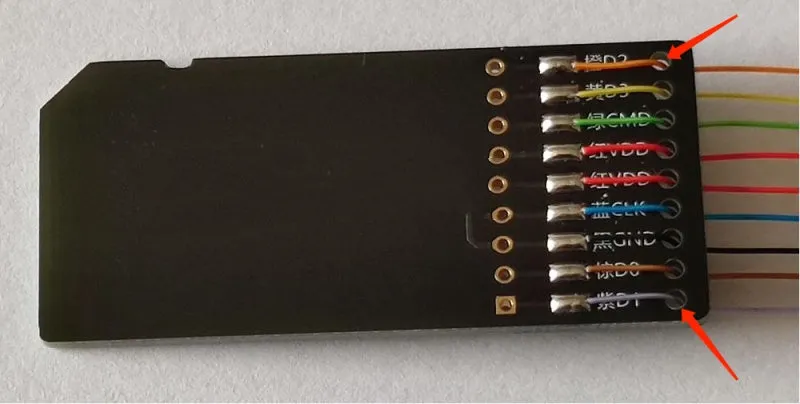
The primary application for this tool is within the automotive repair and electronics servicing sector. It serves a niche but important role in the maintenance ecosystem for modern vehicles with complex infotainment systems.
Event or Professional Use
In a professional workshop setting, this tool is used for diagnostics and repair of faulty audio host units. Common scenarios include correcting corrupted navigation data, updating region-specific software (localisation), or cloning data from a working unit to a replacement board. Its specified compatibility with German luxury brands makes it a relevant piece of equipment for specialists who frequently service BMW, Mercedes-Benz, Audi, or Porsche vehicles, enabling them to address software issues directly.
Everyday Home Use
This tool is not intended for casual or everyday home use. Its operation requires technical knowledge of automotive electronics, EMMC protocols, and potentially proprietary vehicle software. It is a professional-grade instrument for users with specific expertise in car audio system repair and data recovery, situated firmly in a technical, diagnostic context rather than general consumer use.
Benefits and Buying Value
The value of this tool lies in its targeted functionality and potential to streamline specific repair procedures within a professional context.
Reuse and Low Maintenance
The core benefit is the potential to repair rather than replace expensive audio host units. By enabling data reads and writes, a technician can attempt to restore a malfunctioning unit, promoting reuse. The tool itself requires minimal maintenance, as its solid-state construction and lack of moving parts mean it should function reliably when stored properly and used according to its design parameters.
Why Choose This Product
You would choose this product if you require a direct, hardware-based method to interface with the EMMC chips in the specified vehicle brands' audio systems. Its value is its focused compatibility and the practical workshop solution it provides for a known set of tasks—localisation data management and host maintenance via the SD card port. It offers a tangible tool for a specific technical challenge, avoiding the need for more generic or improvised solutions that may lack reliability or direct compatibility.