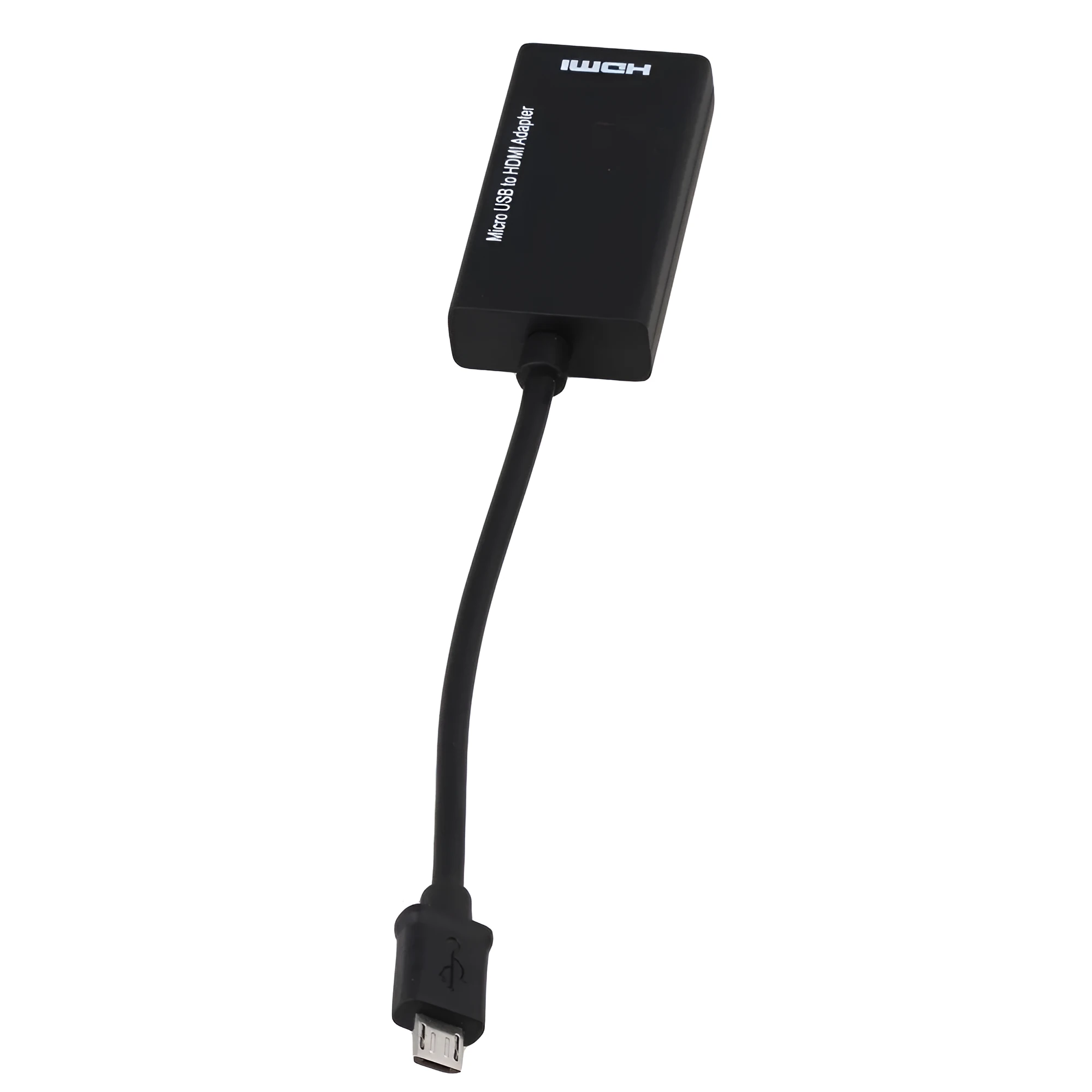
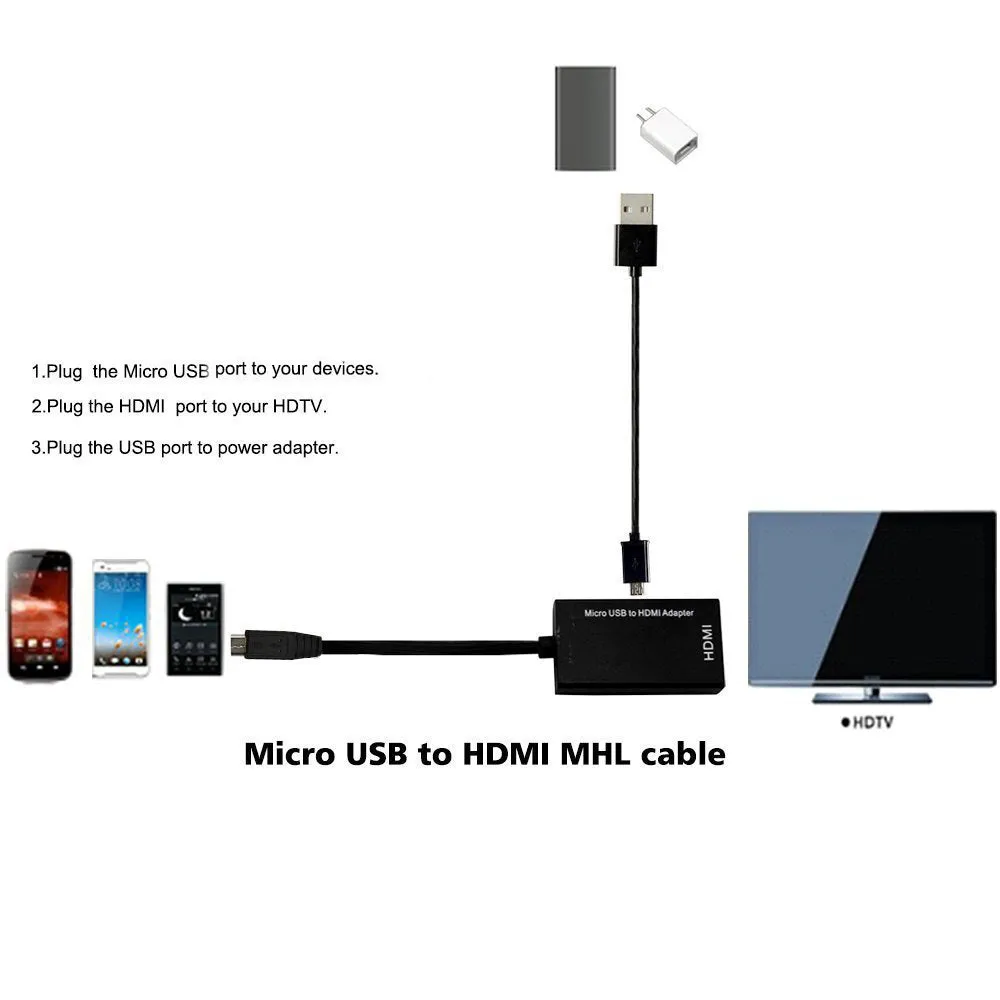
HD to HDMI adapter handset to HDMI line converts HD device outputs to modern HDMI inputs for use with TVs, projectors, or monitors. The black adapter features a robust handset connector design for secure connections.


HD to HDMI adapter handset to HDMI line converts HD device outputs to modern HDMI inputs for use with TVs, projectors, or monitors. The black adapter features a robust handset connector design for secure connections.
HD to HDMI Adapter Cable for Connecting HD Devices to Modern Displays
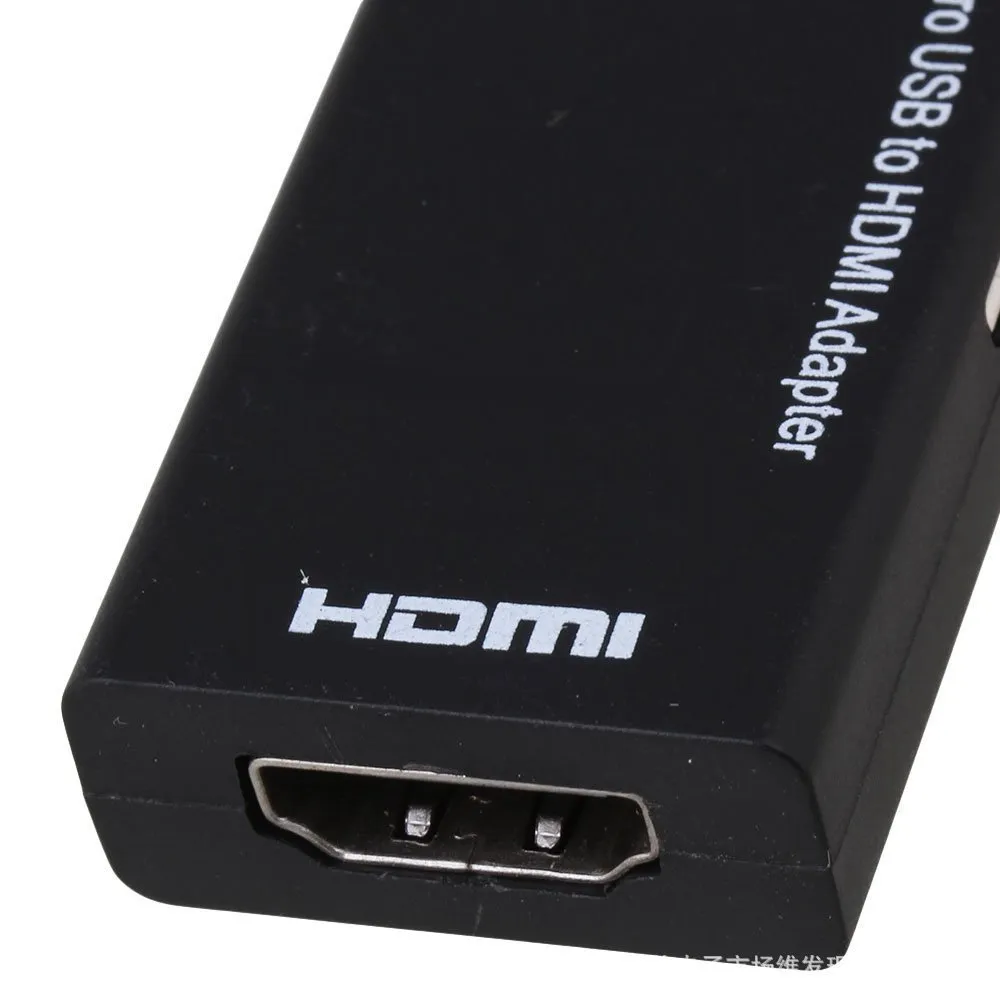
This HD to HDMI adapter cable provides a direct solution for integrating audio-visual equipment with older high-definition handset outputs into contemporary home cinema or professional presentation setups. It functions as a physical bridge, converting the signal from the source device for compatibility with the ubiquitous HDMI input standard found on modern televisions, computer monitors, and digital projectors. The black adapter is designed for straightforward, plug-and-play operation, requiring no external power or software configuration to facilitate basic connectivity between legacy and current technology.
Features and Construction
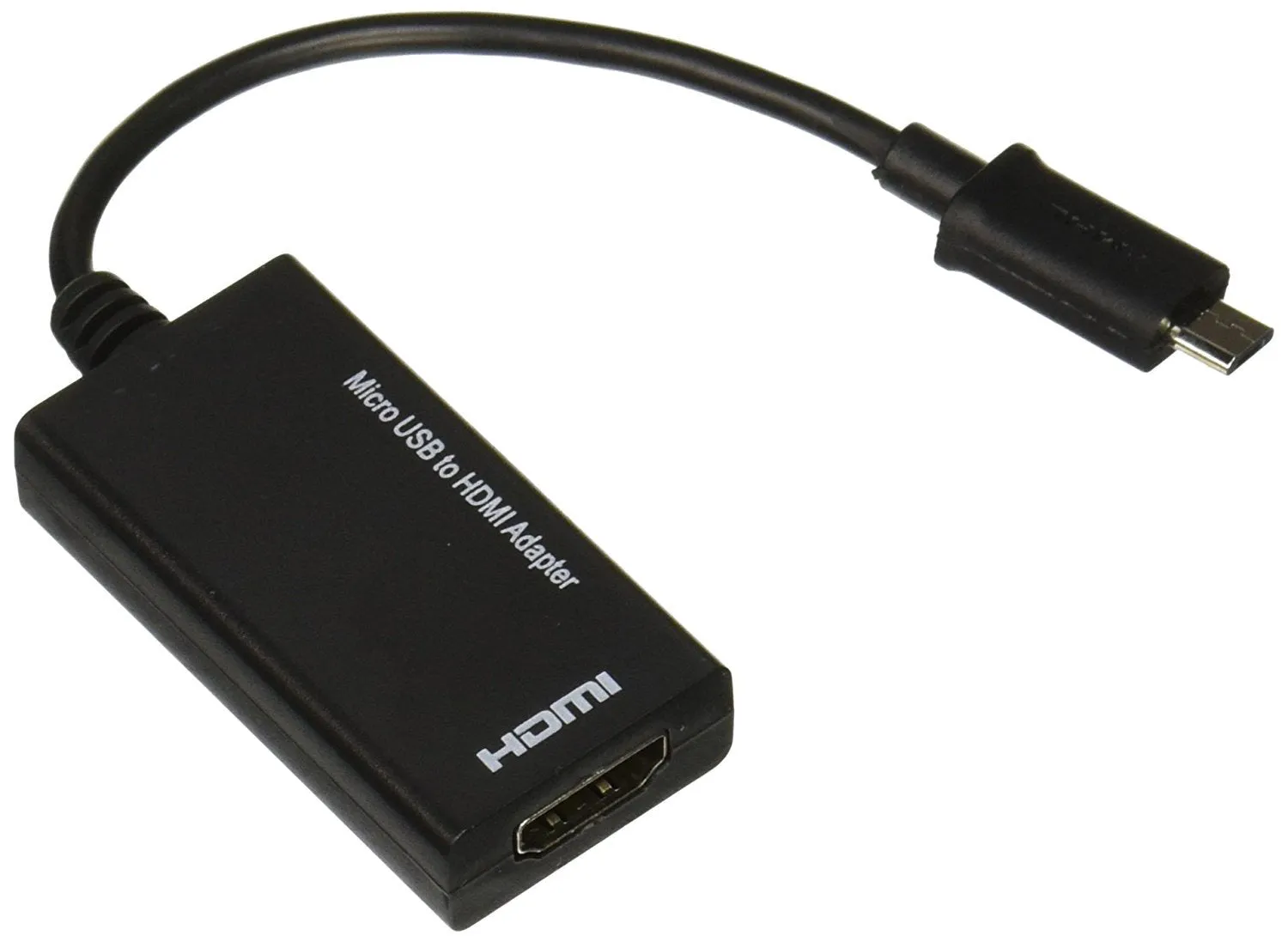
The adapter's primary function is signal conversion through its specific connector configuration. Its build focuses on providing the necessary physical interface between two common but incompatible port types.
Material and Build
The cable features a handset connector on one end, engineered to match the physical profile and pin layout of standard HD device outputs. The opposite end is a standard HDMI male plug. The cable itself is sheathed in a black exterior. The source material does not specify the exact composition of the internal conductors, shielding, or outer jacket material, nor does it detail any gold-plating on the connectors.
Size and Practical Fit
While the exact length of the cable is not stated, its design is intended for direct connection between closely positioned devices. The handset connector is shaped for a secure fit into the corresponding port on compatible source equipment. The HDMI plug conforms to the standard Type A connector specification, ensuring it will fit into any HDMI input socket. Users should verify the handset connector type matches their source device's output port before use.
Uses and Placement
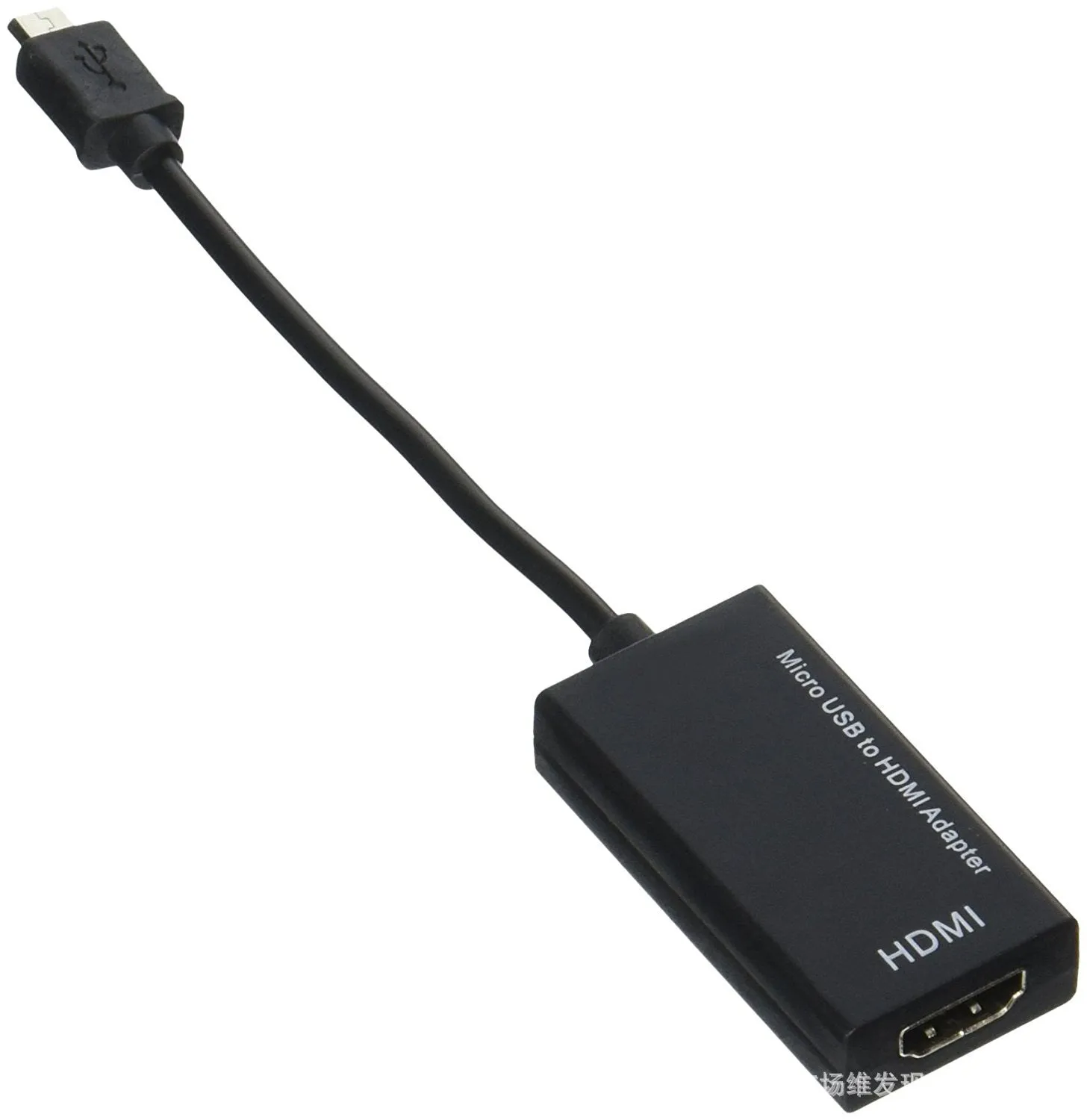
This adapter is suited for scenarios where the content from a device with an HD handset output needs to be displayed on a screen with only HDMI inputs. It serves as a basic compatibility tool in various environments.
Event or Professional Use
In presentation or event settings, this cable can be used to connect certain older laptops, media players, or specialist equipment to venue projectors or large-format monitors that solely feature HDMI inputs. It allows for the quick setup of displays without requiring the source device to be replaced, facilitating the use of existing hardware for slideshows, video clips, or software demonstrations.
Everyday Home Use
For home entertainment, the adapter enables the connection of older gaming consoles, DVD players, or set-top boxes with HD outputs to a modern flat-screen television. This can extend the usable life of older electronics by integrating them into a current home theatre system centred around an HDMI switch or AV receiver, provided the devices are otherwise compatible.
Benefits and Buying Value
The value of this adapter lies in its specific functionality, offering a targeted solution for a common connectivity gap between device generations.
Reuse and Low Maintenance
The adapter promotes the reuse of existing HD equipment by providing a path to connect it with contemporary displays. This can defer the need for a full upgrade of the source device. As a passive cable with no moving parts or required software, it demands virtually no maintenance beyond careful handling to avoid damaging the connectors.
Why Choose This Product
This product is a practical choice for users who have identified a specific need to connect a device with an HD handset output to an HDMI display. Its value is in its focused design for this single conversion task. It offers a potentially more direct and cost-effective solution than purchasing a new source device or a more complex, active signal converter box, assuming the source device's output signal is compatible with the HDMI standard's baseline requirements.