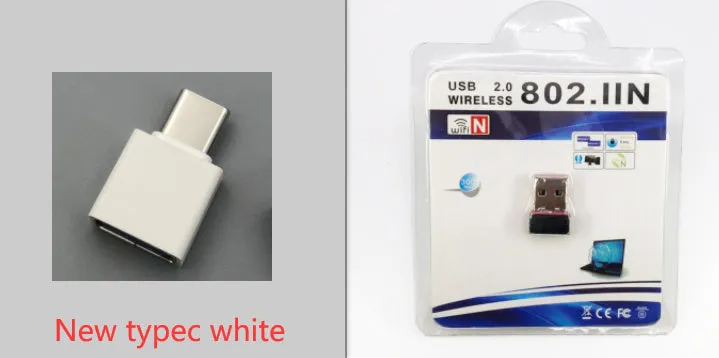
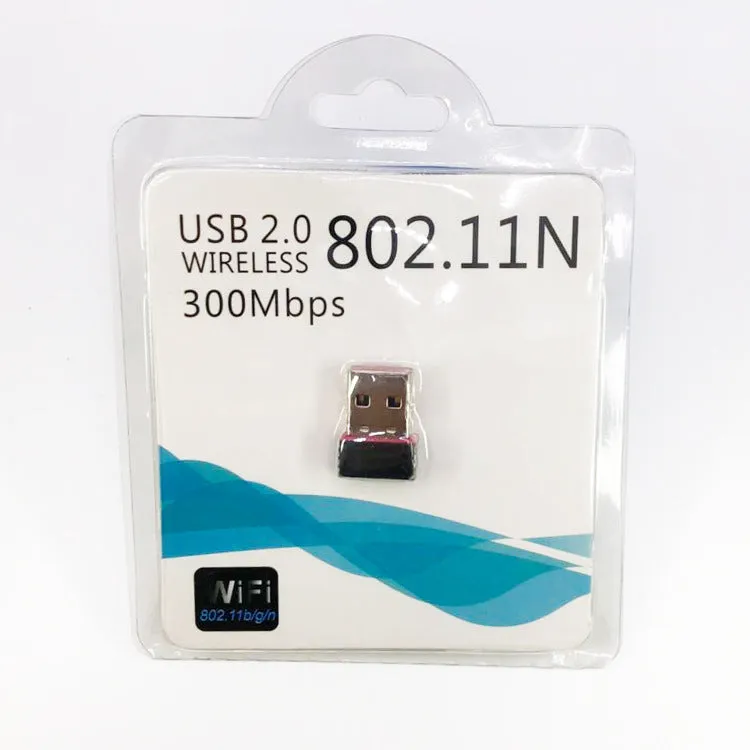
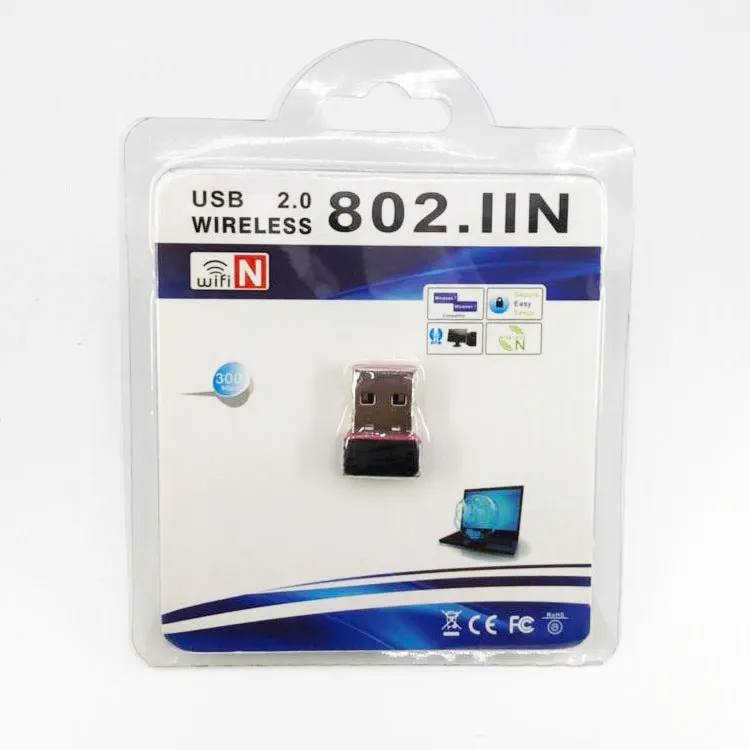
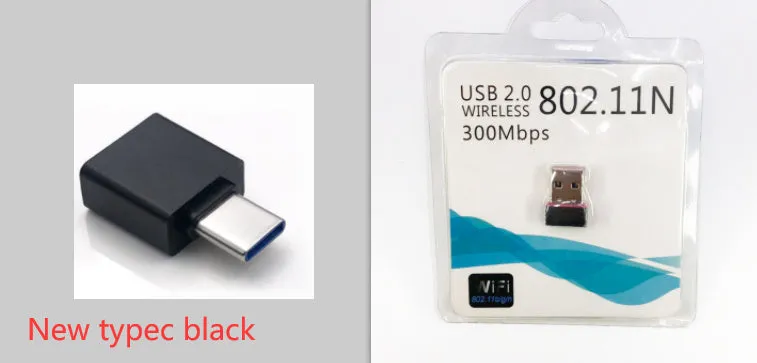
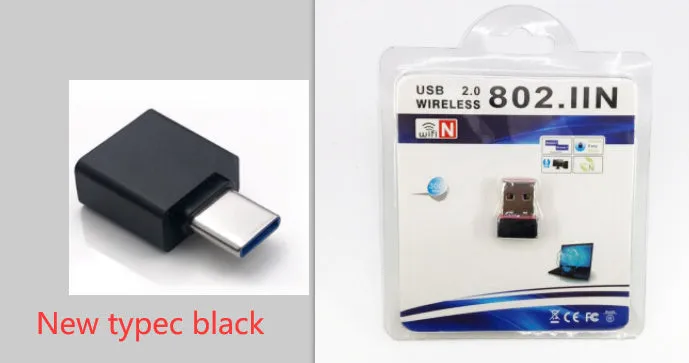
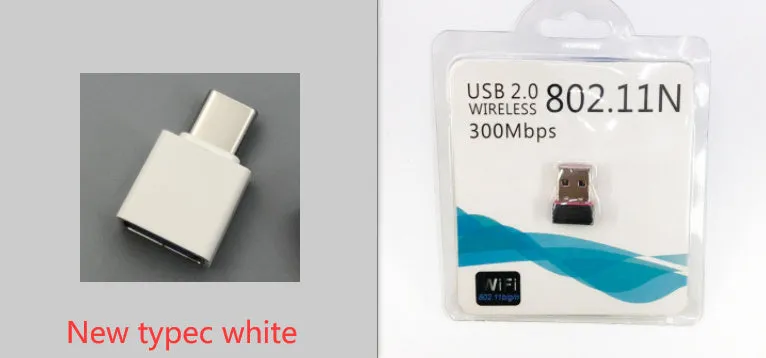
Mini Wireless USB Network Card RTL8188 Chip 150Mbps 2.4GHz WiFi Adapter IEEE 802.11b/g/n for Windows XP/Vista/7/8/MAC/Linux with 2dBi Built-in Antenna


Mini Wireless USB Network Card RTL8188 Chip 150Mbps 2.4GHz WiFi Adapter IEEE 802.11b/g/n for Windows XP/Vista/7/8/MAC/Linux with 2dBi Built-in Antenna
Mini USB Wireless Network Card 150Mbps 2.4GHz with RTL8188 Chip and Built-in Antenna
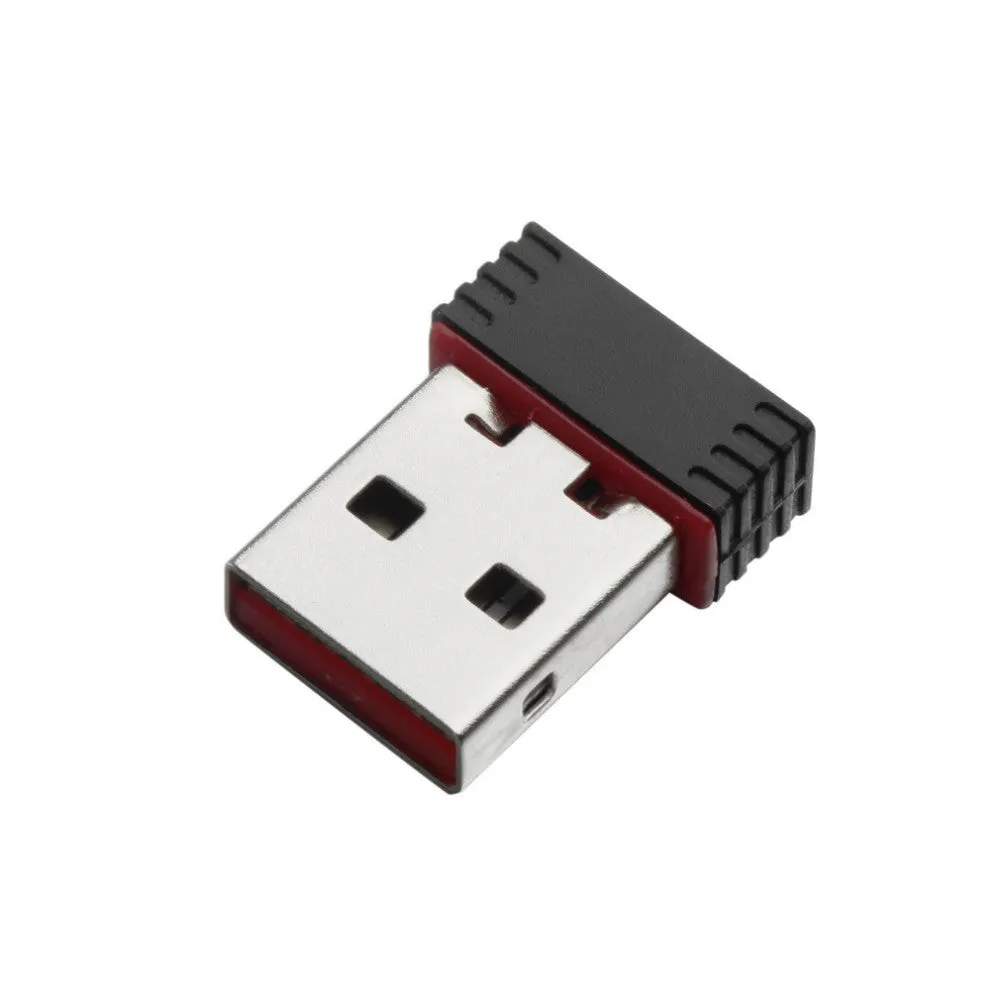
This USB mini wireless network card offers a straightforward way to add or upgrade WiFi connectivity on any compatible device. The compact design ensures it does not obstruct neighbouring USB ports, making it suitable for tight spaces on laptops or desktop towers. With support for IEEE 802.11b/g/n standards, it provides a maximum data rate of 150Mbps, sufficient for everyday browsing, streaming, and file transfers. The built-in 2dBi smart antenna helps maintain a stable connection within typical indoor ranges. Compatible with multiple operating systems, including Windows XP, Vista, 7, 8, MAC, and Linux, this adapter is a flexible choice for users needing reliable wireless access.
Features and Construction
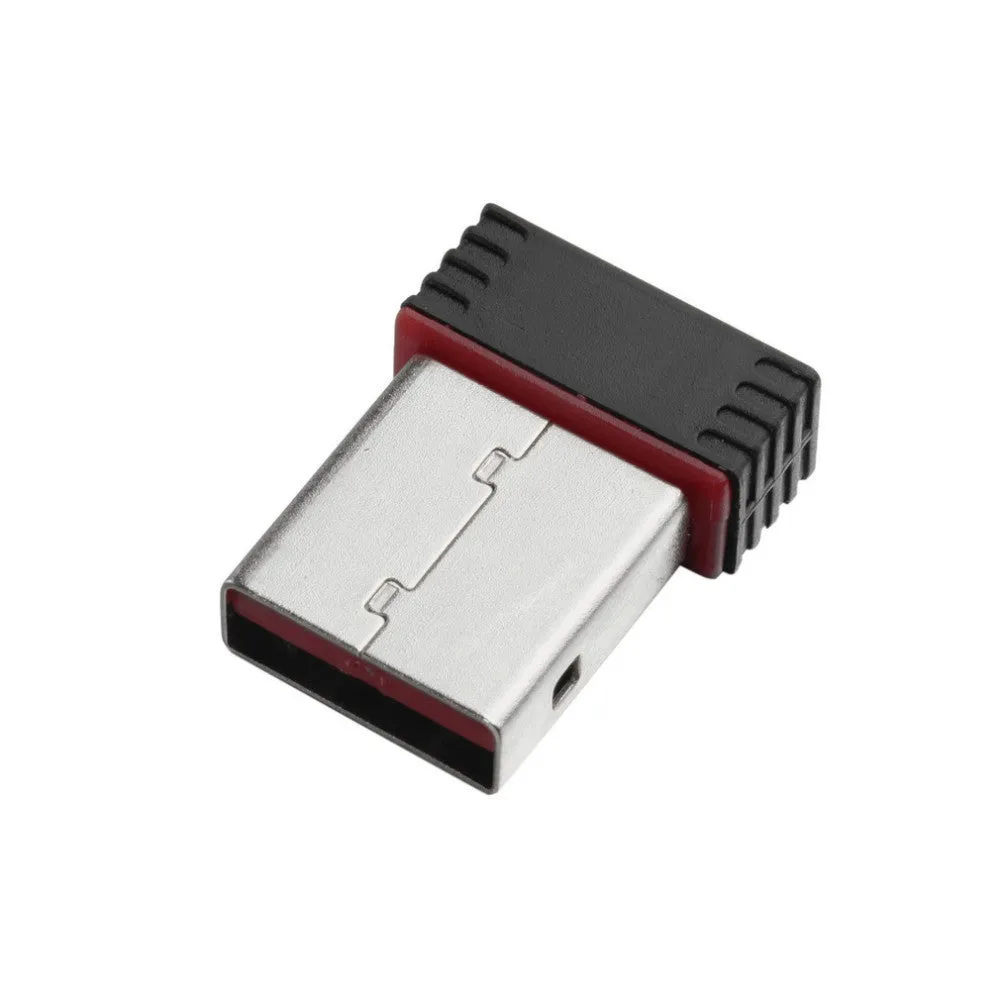
This network card is built around the RTL8188 chipset, a widely used controller for basic WiFi tasks. It operates in the 2.4GHz band and uses direct sequence spread spectrum (DSSS) technology, with data modulation options including OFDM, CCK, 16-QAM, and 64-QAM. The USB interface supports both USB 1.1 and 2.0, ensuring compatibility with older and newer systems alike.
Chipset and Wireless Support
The RTL8188 main chip provides support for IEEE 802.11b, 802.11g, and 802.11n protocols. This allows the adapter to connect to standard 2.4GHz WiFi networks, including legacy routers. The maximum transmission rate of 150Mbps is reached under 802.11n with appropriate router support.
Antenna and Signal Reception
A built-in 2dBi smart antenna helps capture and maintain a wireless signal. Sensitivity levels are specified for various speeds: 135M at -72dBm, 54M at -72dBm, 11M at -85dBm, and 1M at -90dBm. The actual transmission distance will vary depending on the environment, such as walls or interference from other electronics.
Power and Voltage
The device operates on a DC 5V supply, with a tolerance of ±0.2V, drawn directly from the USB port. This low power consumption makes it suitable for portable use without draining battery life excessively.
Uses and Placement
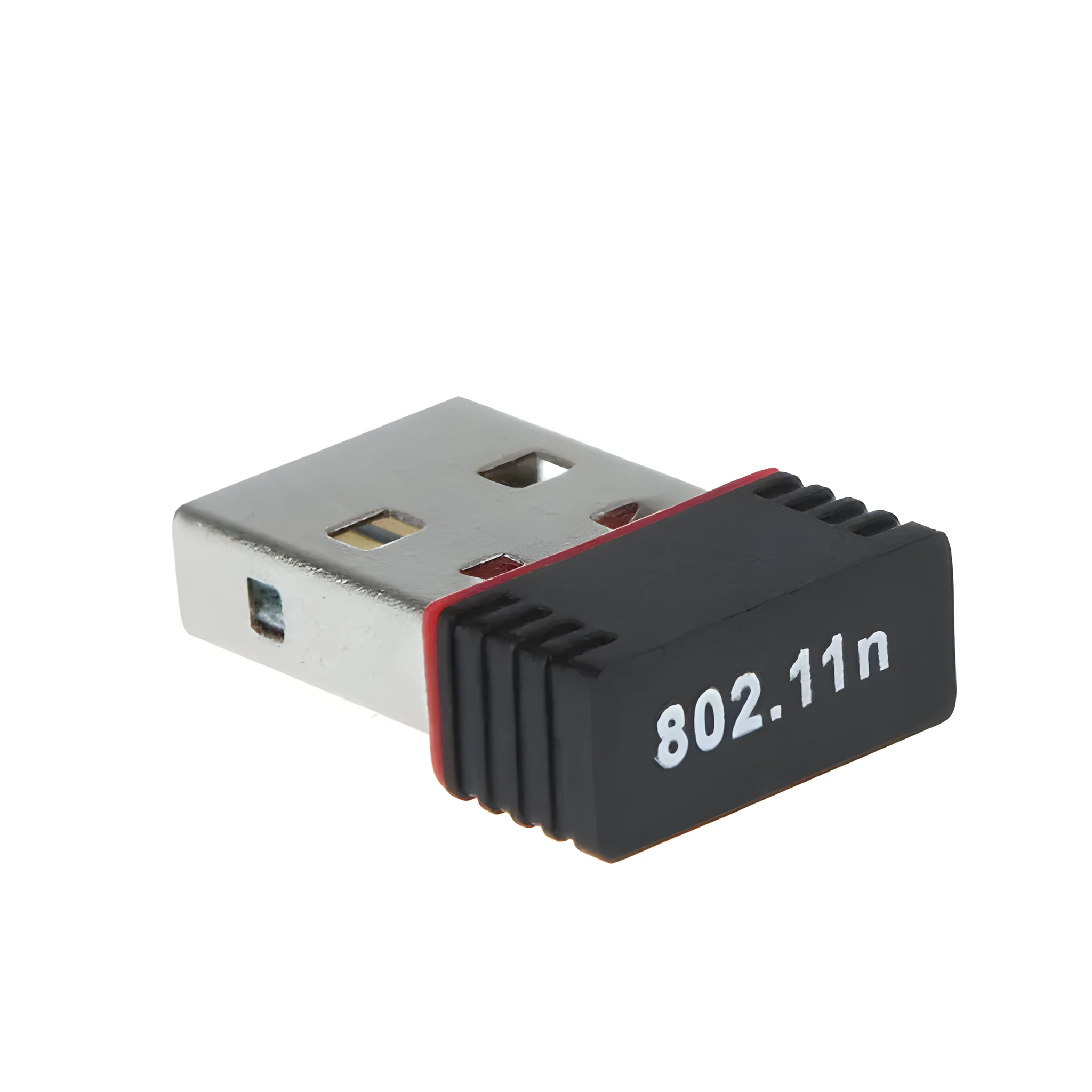
This network card is designed for adding WiFi to devices that lack built-in wireless, or for replacing an existing adapter that performs poorly. Its small size makes it convenient for travel, allowing users to carry a backup connection wherever they go. The adapter works in both Infrastructure mode (connecting to a router) and Ad-Hoc mode (peer-to-peer connections), expanding its utility for various network setups.
Home Office Use
For desktop computers that are not near a wired Ethernet port, this USB adapter provides an easy way to get online. Plug it in, install the driver, and connect to the household WiFi network. It is also useful for older laptops whose internal WiFi card has failed or is outdated.
Travel and Portable Use
The mini form factor makes it a practical travel companion. It can be kept in a laptop bag or pocket, ready to provide connectivity in hotel rooms, cafes, or co-working spaces where a wired connection may not be available.
Benefits and Buying Value
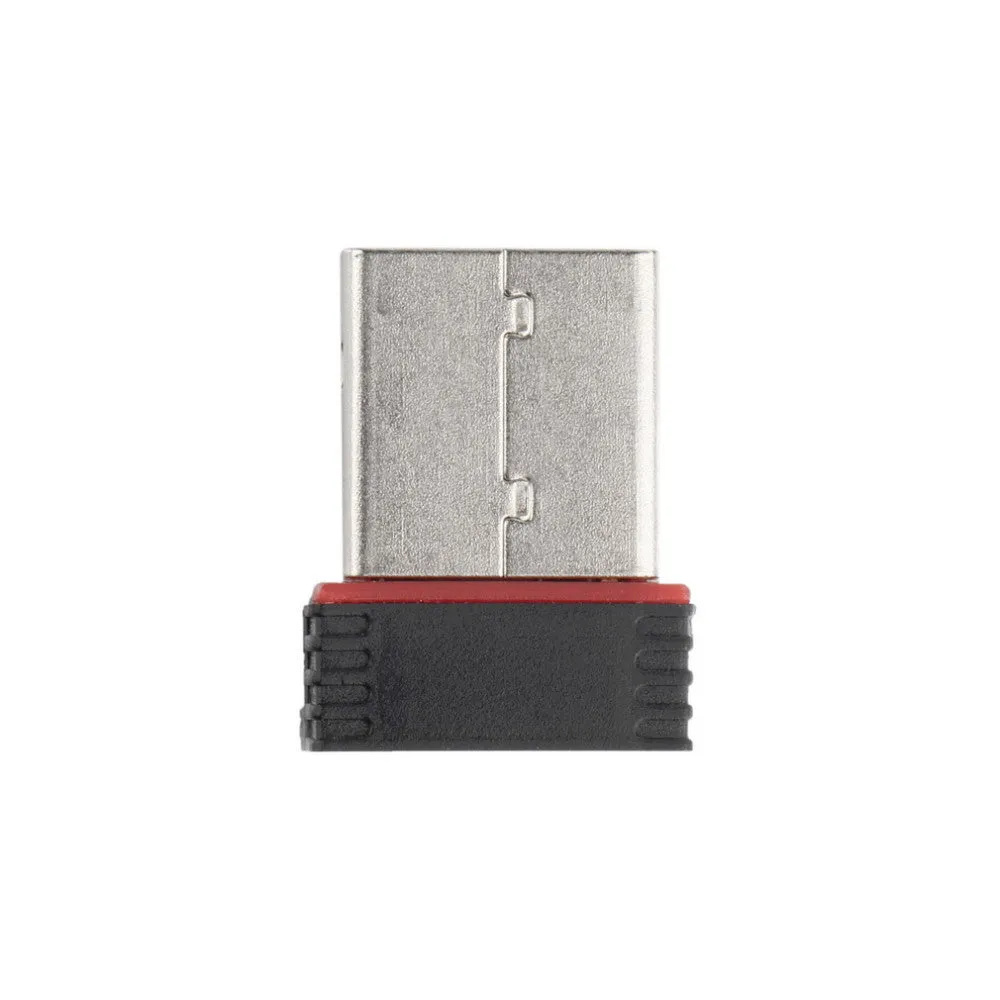
This network card offers a low-cost, low-complexity solution for wireless networking. It does not require external antennas or complicated setup and is compatible with a wide range of operating systems. The use of a standard chipset ensures driver availability for many platforms, including legacy systems like Windows XP and newer ones like Windows 8.
Ease of Use
Installation is straightforward: insert the adapter into a USB port and install the appropriate driver from the included disc or download. Once set up, it acts like a standard network interface, allowing the user to select and connect to WiFi networks through the operating system's usual interface.
Value for Money
At its price point, this adapter provides essential WiFi functionality with acceptable speeds for everyday use. It is a practical choice for users who need a simple, no-fuss solution without investing in higher-end equipment.