
USB Disk Virtual Keyboard Development Board with ATMEGA32U4: A 50mm x 16mm programmable microcontroller for custom HID device creation and prototyping
ATMEGA32U4
£20.98
Skip to product information

 This USB disk virtual keyboard development board centres on the ATMEGA32U4 microcontroller, providing a streamlined path for creating custom human interface devices. With dimensions of just 50mm by 16mm, it's a compact solution for embedding keyboard emulation into projects. It operates at a standard USB data rate, ensuring compatibility, and its unique feature is acting as a USB drive for simple drag-and-drop firmware programming. This eliminates the need for separate programmers, making it a practical tool for developers, makers, and hobbyists building macro pads, assistive tech, or automation controllers.
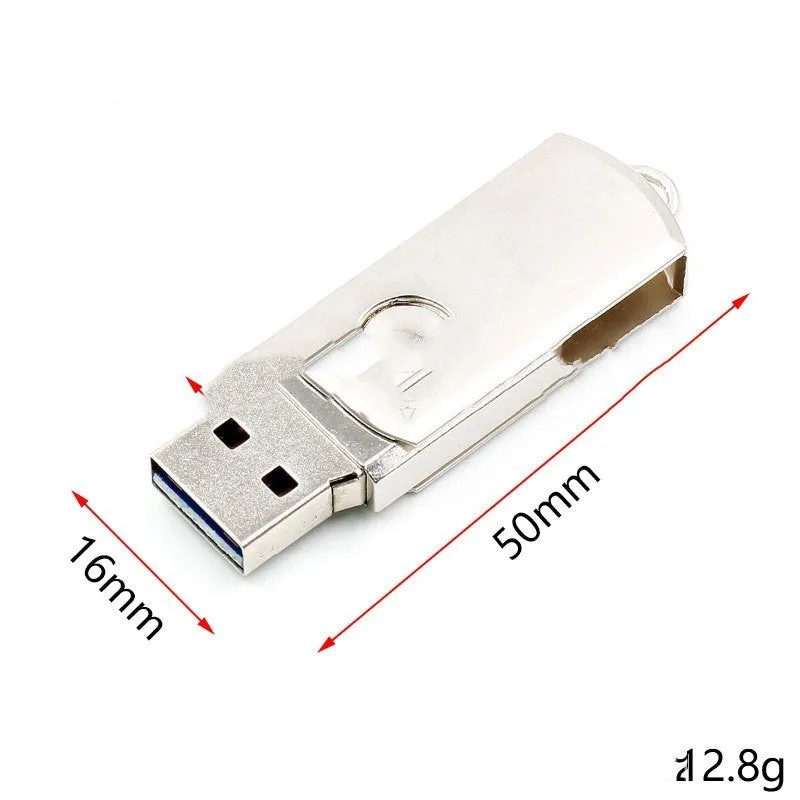 This section details the specific technical attributes and construction of this programmable board. We'll examine its core microcontroller, the compact physical design that facilitates integration, and the straightforward programming method that defines its user experience.
 This programmable board opens up a range of specific applications for both professional prototyping and personal projects. Its ability to emulate keyboard input makes it versatile for automation, accessibility, and creative computing.
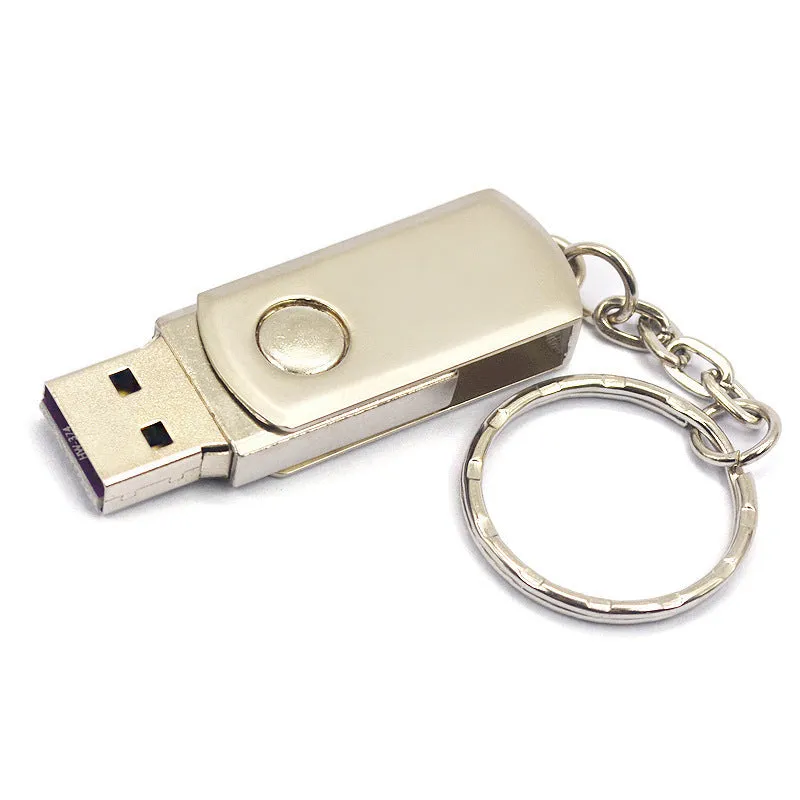 Choosing this specific board offers distinct advantages related to workflow efficiency, long-term utility, and the confidence that comes from using a well-supported microcontroller platform.


USB Disk Virtual Keyboard Development Board with ATMEGA32U4: A 50mm x 16mm programmable microcontroller for custom HID device creation and prototyping
£20.98
ATMEGA32U4 USB Virtual Keyboard Development Board: A 50mm Programmable Module for Custom HID Devices
Features and Build Quality of the Development Board
ATMEGA32U4 Microcontroller Core
The board is built around the ATMEGA32U4 AVR microcontroller. This chip is specifically chosen for its integrated USB 2.0 transceiver, which allows it to communicate directly with a computer as a native USB device without additional components. It contains 32KB of flash memory for storing your program code, 2.5KB of SRAM, and operates at 16MHz. This hardware foundation is what enables the board to be programmed as a virtual keyboard, mouse, or other HID-class device directly via its USB connection.Compact 50mm x 16mm Footprint
The printed circuit board is designed with a minimal footprint, measuring 50 millimetres in length and 16 millimetres in width. This small size is a key functional feature, not just an aesthetic choice. It allows the board to be fitted into very tight spaces within custom enclosures, such as inside a repurposed game controller, a slim macro keypad, or integrated into other electronic projects where panel space is limited. The layout focuses on essential components to maintain this compact form.USB Disk Programming Method
A primary technical feature is its programming mode. When connected to a computer, the board's bootloader can present itself as a standard removable USB flash drive. To upload new firmware, you simply compile your code into a .hex file and drag it onto this virtual drive. The board then automatically resets and runs the new program. This process uses a standard data rate for file transfer, providing a plug-and-play development experience that requires no specialist hardware beyond a USB cable.Practical Applications for the Virtual Keyboard Board
Professional Prototyping and Automation
For professional developers and engineers, this board serves as a rapid prototyping tool for custom input devices. It can be used to create hardware prototypes for software testing, requiring specific or repetitive keyboard input sequences. In office or industrial automation, it can be programmed to trigger complex macros—such as launching applications, filling forms, or sending predefined commands—with a single physical button press, integrating seamlessly as a standard USB keyboard.Everyday Maker and Hobbyist Projects
Makers and hobbyists will find the board's straightforward operation inviting. The tactile process of writing code, dragging the file to the virtual USB disk, and immediately seeing the board act as a new device provides a satisfying feedback loop. You can build a dedicated media controller for your PC, a footswitch for transcription software, or a custom button box for flight simulators. The small 50mm x 16mm size makes it easy to house in a project box, and the direct USB connection means no drivers are needed for the final product, just plug and play.Versatility in Custom Device Creation
Beyond simple keyboard emulation, the ATMEGA32U4's HID capabilities allow for versatility. It can be programmed as a mouse, joystick, or a composite device. This makes it suitable for creating unique assistive technology devices, like a sip-and-puff switch that translates breath inputs into cursor movements or keyboard shortcuts. Artists can use it to create interactive installations where physical interactions trigger digital events on a computer, all through a reliable, standard USB interface.Key Benefits of Choosing This Development Board
Value Through Simplified Development Workflow
The board provides value by condensing the traditional microcontroller development chain. Typically, programming an AVR chip requires a separate hardware programmer (like an AVRISP). This board incorporates that functionality via USB, removing an extra cost and piece of equipment from the process. For individuals or small teams, this represents a tangible cost saving and a reduction in desk clutter, allowing you to invest resources into the final project enclosure or components instead.Satisfaction from Rapid Project Completion
The satisfaction derived from this board comes from its immediacy. The gap between having an idea and testing a working prototype is shortened significantly. The peace of mind during development is provided by the robust, community-supported Arduino core for the ATMEGA32U4, which offers extensive libraries for HID emulation. This means you can focus on the logic of your project rather than low-level USB driver code, leading to faster completion and a more rewarding making experience.Call to Action: Build Your Custom Input Solution
If you have a need for a reliable, programmable USB input device, this development board provides the foundational hardware. Start by sketching your ideal controller or automation tool, then use this 50mm x 16mm board as the brains. Its USB disk programming makes the first step straightforward. Order the board, connect it with a standard USB cable, and begin turning your concept for a custom keyboard, macro pad, or interactive controller into a functional reality today.